If you carry extra weight around your midsection, there's a good chance some of it is visceral fat. This is the fat that wraps around your organs instead of sitting just under the skin, and it's the kind doctors worry about most.
Visceral fat doesn't just sit there. It's metabolically active, meaning it releases inflammatory compounds that interfere with how your body processes sugar and stores energy. Over time, high levels of visceral fat are linked to a higher risk of type 2 diabetes, heart disease, and fatty liver disease.
The good news is that certain foods can work with your body to help lower visceral fat over time, especially when paired with regular movement and good sleep. The foods below support three things that matter most for losing this type of fat: insulin sensitivity, appetite regulation, and metabolic rate.
Here are six of the most effective ones, and why they work.
1. Coconut oil for a faster metabolism
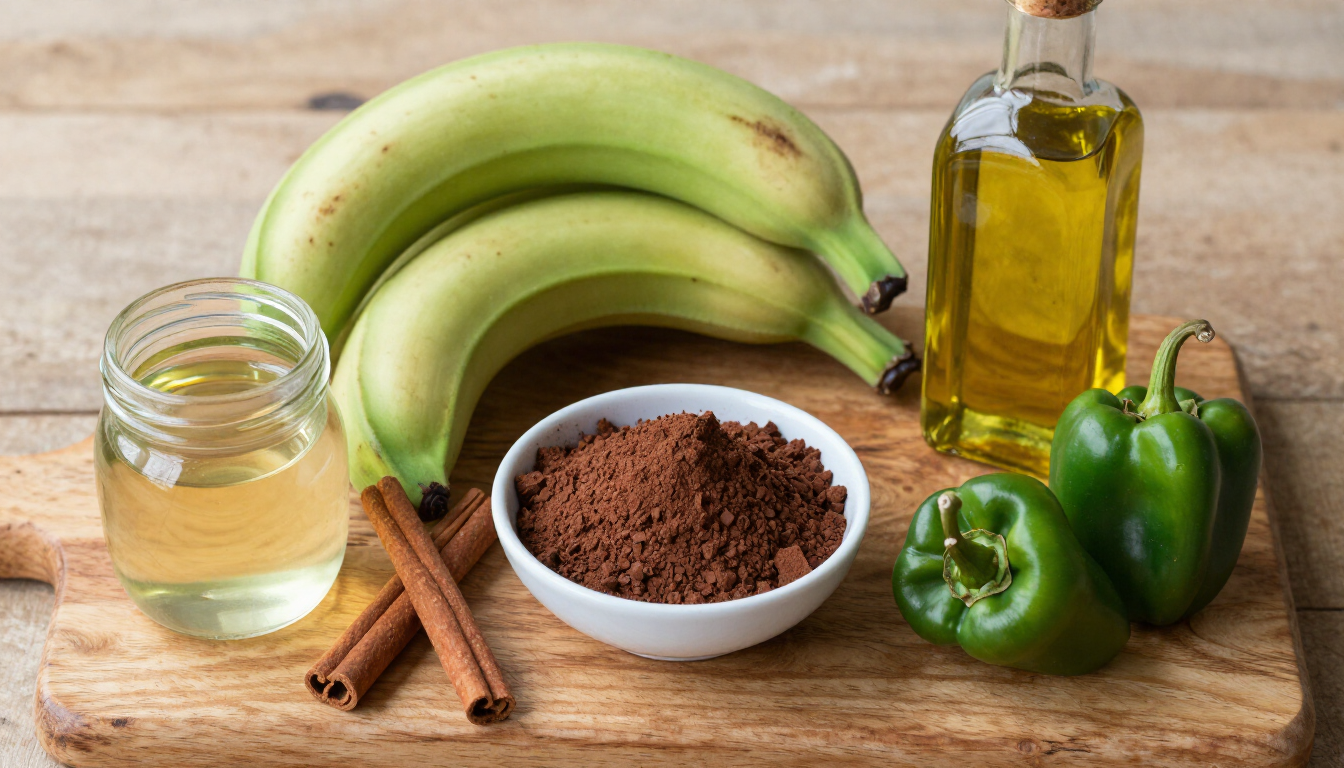
Most fats your body stores as long-chain triglycerides get broken down slowly. Coconut oil is different. It's rich in medium-chain triglycerides (MCTs), which your body absorbs quickly and sends straight to the liver to be used as fuel instead of stored as fat.
Because MCTs are used for energy so efficiently, some research suggests they can give your metabolism a modest boost and help you feel fuller for longer. Swapping a portion of your usual cooking oil for coconut oil is a simple place to start.
2. Green bananas for better insulin sensitivity
Bananas that haven't ripened yet are loaded with resistant starch, a type of carbohydrate your body can't fully digest on its own. Instead, it travels to your gut, where healthy bacteria ferment it into short-chain fatty acids like butyrate.
This fermentation process feeds your gut microbiome and plays a real role in improving insulin sensitivity, which matters because poor insulin sensitivity is one of the biggest drivers of stubborn belly fat. Slice a green banana into oatmeal or blend it into a smoothie for an easy way to work it in.
3. Raw cacao for cellular energy
Raw cacao (not the sugary chocolate bars at the checkout line) is packed with epicatechin and procyanidins, plant compounds that support healthy blood flow and help your mitochondria - the energy-producing part of your cells - work more efficiently.
When your mitochondria run well, your body converts food into usable energy instead of storing as much of it as fat. Raw cacao also appears to support a gut environment that favors fat burning. A tablespoon of raw cacao powder in a smoothie or oatmeal is an easy way to add it to your routine.
4. Ceylon cinnamon to steady blood sugar
Not all cinnamon is created equal. Ceylon cinnamon contains cinnamaldehyde, a compound that helps regulate appetite and slows how quickly carbohydrates break down into sugar in your bloodstream.
That slower breakdown means fewer blood sugar spikes, which means fewer sugar crashes and cravings later in the day. If you've been reaching for something sweet by mid-afternoon, this is one of the reasons why - and steadier blood sugar can help break that cycle.
5. Extra virgin olive oil to help you feel full
Olive oil's reputation as a heart-healthy fat is well earned, but it also plays a role in appetite control. As your body digests the oleic acid in extra virgin olive oil, it produces a compound called oleoylethanolamide (OEA).
OEA sends a signal to your brain that you're full, which can help you naturally eat less without feeling deprived. Drizzling a real, high-quality extra virgin olive oil over vegetables or salads is one of the easiest upgrades you can make to a meal.
6. Scotch bonnet peppers to turn up the heat
If you can handle the spice, hot peppers like Scotch bonnets contain capsaicin, the compound responsible for that burning sensation. Capsaicin activates receptors in the body called TRPV1, which trigger thermogenesis - or heat production.
That extra heat production means your body is burning slightly more energy to cool itself back down, which can support fat oxidation over time. Start small if you're not used to spice. Even a small amount added to soups or stir-fries can make a difference.
The bottom line
No single food will melt away visceral fat on its own, but the right foods, eaten consistently, can shift your body toward better insulin sensitivity, steadier appetite control, and a more efficient metabolism. Start by adding one or two of these into your week and build from there.