Why Am I So Tired All the Time in Perimenopause?
Tired all the time in perimenopause? The 3pm crash has a pattern. Learn what steadies it, and the 28-day food-first plan behind it.
Read articleCalm an over-stretched nervous system and rebalance the hormones that drive energy, appetite, mood, and sleep - using food and daily rhythm.
On this page: grounded articles, calming recipes, and honest guidance on cortisol, cycle syncing, and stress - no cortisol detox hype.

Cortisol is not the villain - it helps you wake up and respond to challenges. The problem is chronic, always-on elevation that never gets a chance to resolve.
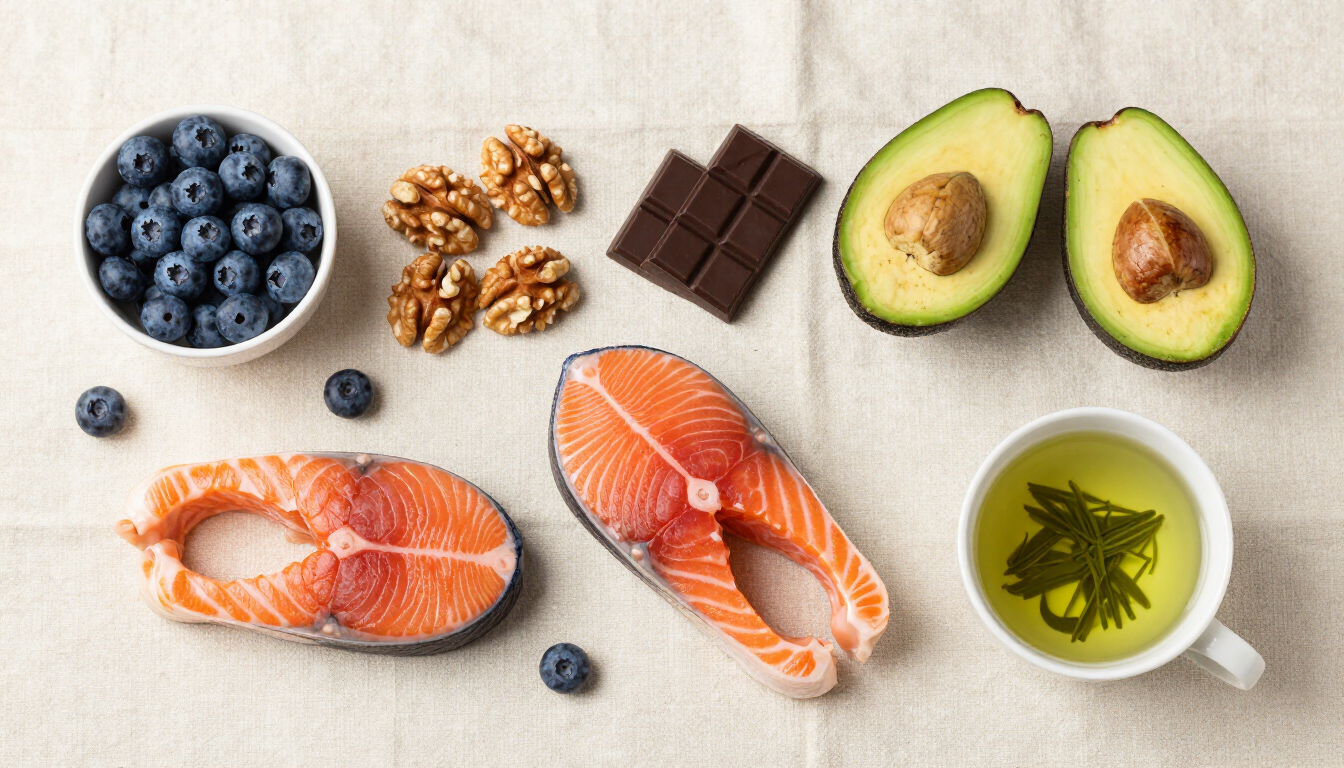
Magnesium-rich leafy greens, avocado, and walnuts support the adrenal system and steady cortisol regulation.
A large share of your immune system lives in your gut, and fermented foods help support the gut-brain axis that shapes how stress feels.
Your hormones shift meaningfully across your menstrual cycle, affecting energy, appetite, and mood - eating with those shifts can help, even without rigid rules.
The pieces we'd start with on this topic.
Tired all the time in perimenopause? The 3pm crash has a pattern. Learn what steadies it, and the 28-day food-first plan behind it.
Read article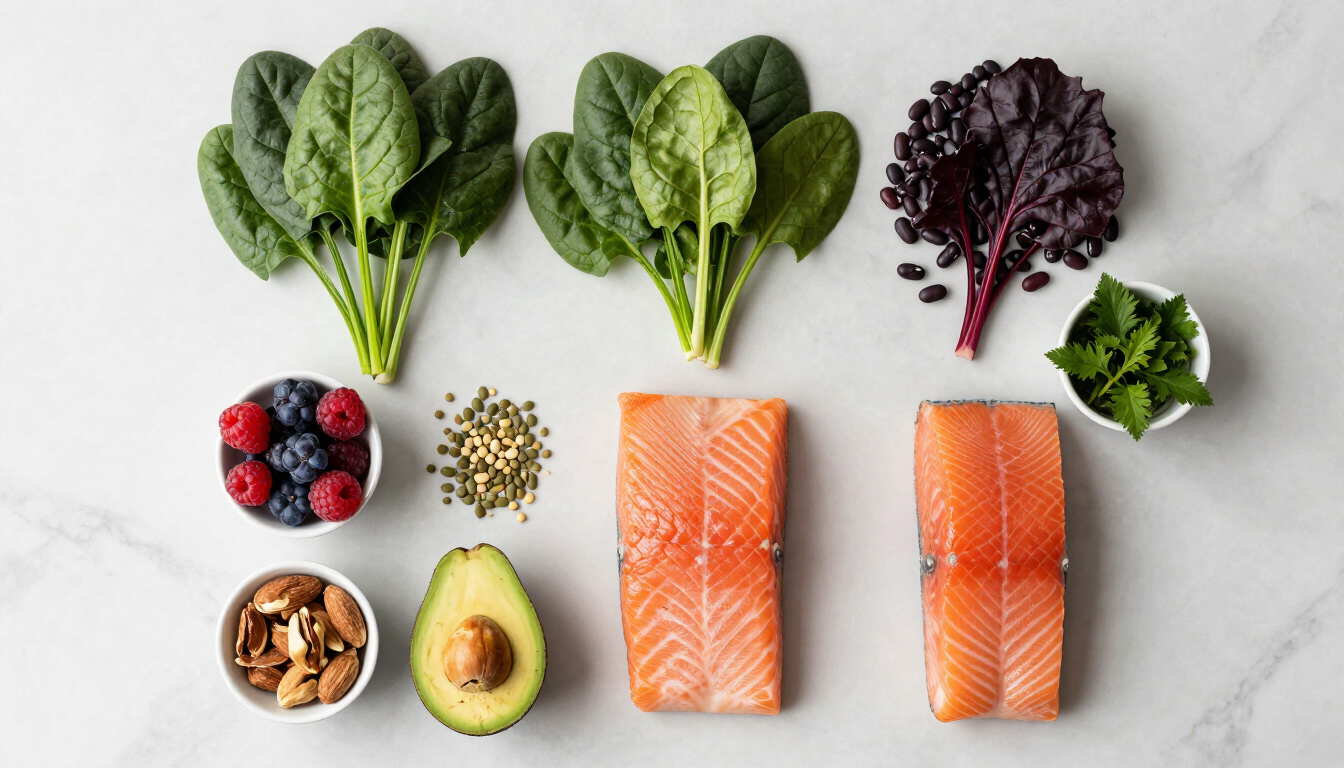
Your hormones shift meaningfully across your menstrual cycle, and those shifts can affect energy, appetite, and mood. Here's what the evidence actually supports.
Read article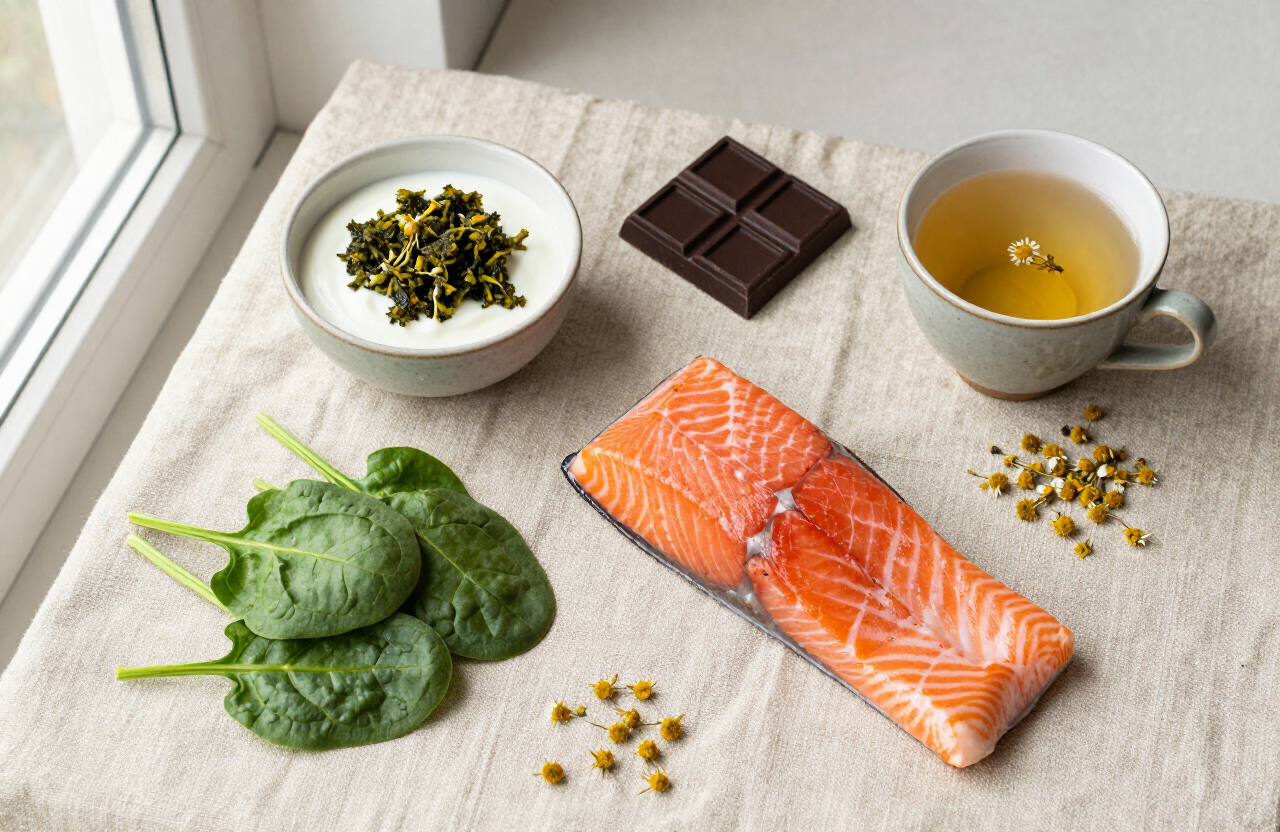
Cortisol isn't the enemy - but when it stays elevated too long, food can be a real, meaningful piece of bringing it back into balance.
Read articleCortisol face, cortisol belly, cortisol detox drinks - it’s everywhere online. Here’s what cortisol actually does and what genuinely seems to help.
Read article
Chronic stress reshapes your hormones and your appetite. These food-first, nervous-system-friendly habits help you find calm.
Read article20 recipes built around the foods that support stress, cortisol & hormones.

A calming, grounding breakfast

Omega-3s to steady your mood

A soothing wind-down drink

A mindful, magnesium-rich treat
One practical email each week. No fluff, no fear-mongering - just food-first guidance you can use.
A few things from the Wellness Shelf we'd genuinely reach for on this topic.
Join 40,000+ people following the Happy Healthy Glows community on Facebook for everyday food-first wellness tips, recipe ideas, and real conversations about feeling better at any age.
Cortisol is a hormone that helps you wake up, respond to challenges, and regulate energy. It becomes a problem only when it stays elevated too long from ongoing, unresolved stress. Chronic high cortisol is linked to disrupted sleep, cravings, and changes in how your body stores fat - which is why it gets so much attention.
Food is not a cure for chronic stress, but it supports the systems your body uses to regulate its stress response. Magnesium-rich greens, omega-3s from fatty fish, fermented foods for the gut-brain axis, and complex carbs that steady blood sugar all help. They work best alongside sleep, movement, and real recovery time.
The core idea - that your hormones shift across your menstrual cycle and affect energy, appetite, and mood - is well supported. Tailoring food and activity loosely to each phase can genuinely help. The rigid, prescriptive versions online often outpace the evidence, so a flexible approach works better than strict rules.
Focus on steady, nourishing meals rather than skipping them. Protein and complex carbs help stabilize blood sugar, which steadies cortisol. Magnesium-rich foods, omega-3s, and a calming evening ritual - like herbal tea instead of late screens - help shift your body from stress mode toward rest.