
If you’ve spent any time on TikTok or scrolling health content lately, you’ve probably seen the word cortisol more times than you can count. Cortisol face. Cortisol belly. Cortisol detox drinks. It’s everywhere, and like most things that blow up online, some of it is useful and a lot of it is noise.
So let’s slow down and actually talk about what cortisol is, why it’s having a moment, and what genuinely seems to help.
What cortisol actually does
Cortisol is a hormone made by your adrenal glands. It’s not the enemy. In the right amounts, at the right times, cortisol helps you wake up in the morning, respond to stress, manage inflammation, and keep your blood sugar steady throughout the day.
The problem isn’t cortisol itself. It’s when your body keeps producing it at high levels for too long, usually because of ongoing stress that never really gets a chance to resolve. That’s when people start noticing the effects: trouble sleeping, feeling wired but exhausted, stubborn weight around the midsection, or feeling anxious for no clear reason.
Why it’s trending right now
Part of it is genuine curiosity. People are tired of being told to “just relax” and want to understand the actual biology behind why stress feels the way it does in their body. There’s also a real cultural shift happening, where more people are prioritizing sleep, nervous system health, and slower living instead of just pushing through burnout.
The other part, honestly, is marketing. A lot of “cortisol-balancing” products online are riding the wave without much behind them. That doesn’t mean cortisol isn’t worth paying attention to. It just means it’s worth separating the habits that are actually backed by something from the ones that are mostly a good hashtag.
What actually seems to help
Consistent sleep and wake times. Your cortisol naturally rises in the morning to help you feel alert and drops in the evening to help you wind down. Going to bed and waking up at wildly different times each day throws that rhythm off more than most people realize.
Movement, but not necessarily more of it. Regular walking, strength training, or light cardio can support a healthier stress response. Interestingly, pushing yourself through intense exercise while you’re already running on empty can sometimes work against you instead of for you.
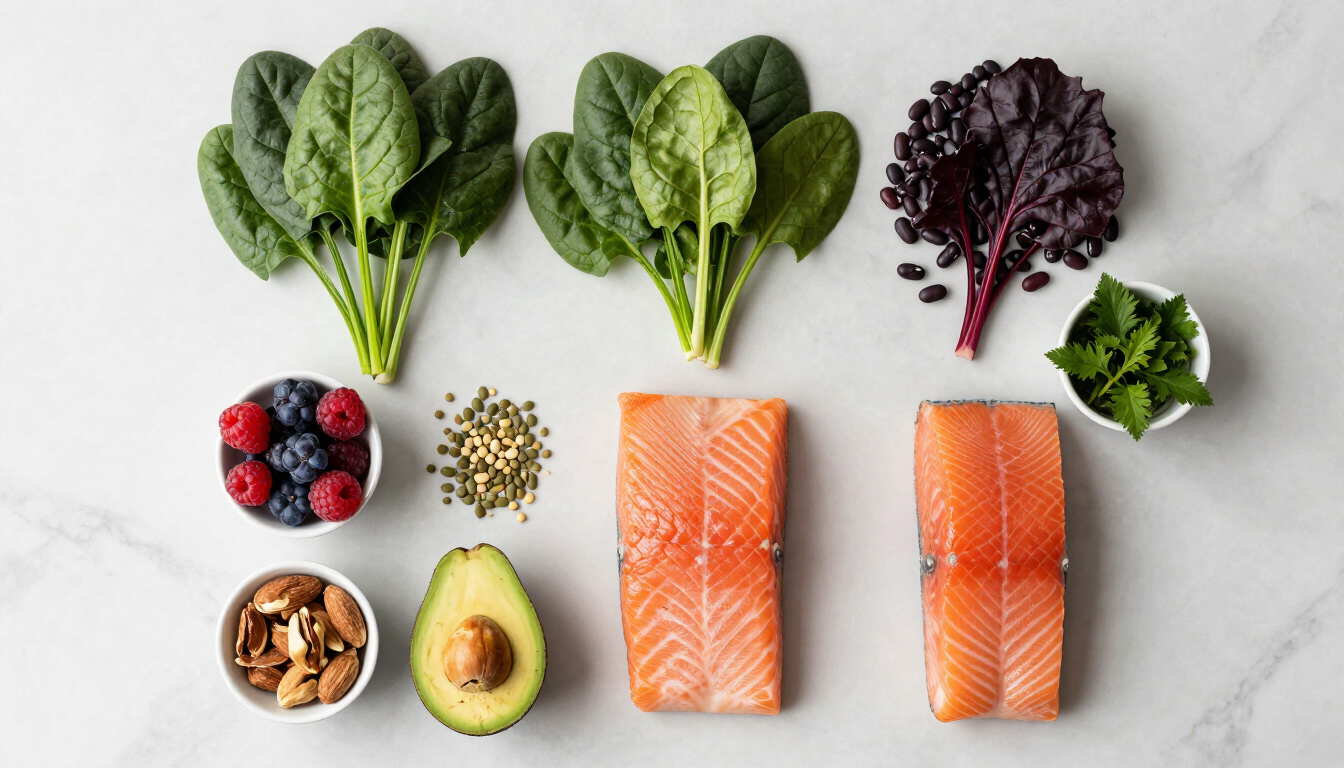
Foods with magnesium, zinc, and B vitamins. Pumpkin seeds, almonds, leafy greens, and eggs show up again and again in conversations about stress support, and for good reason. These nutrients are involved in how your body regulates its stress response.
Actually finishing the stress response. This one gets left out a lot. Humans are built to move through stress physically, not just think our way out of it. A walk, some deep breathing, even shaking out your hands and shoulders after a stressful moment can help your body register that the moment has passed.
Cutting back on constant low-grade stimulation. Notifications, doom scrolling, and always being “on” keep your nervous system in a low simmer of alertness. You don’t need a digital detox retreat. Just a few real breaks during the day can make a difference.
What probably isn’t doing much
Most “cortisol detox” drinks and teas aren’t going to undo weeks of poor sleep or chronic stress in one sip. That’s not to say they’re harmful, just that they’re not a substitute for the boring stuff that actually works: sleep, movement, food, and rest.
The honest bottom line
Cortisol isn’t something to fear or obsess over. It’s a normal, necessary hormone that’s just easier to throw out of balance in a world full of constant notifications, inconsistent sleep, and nonstop stimulation. The good news is that the things that actually help are pretty simple, even if they’re not always easy to stick with.
Frequently Asked Questions
Can food alone lower cortisol? Food plays a supporting role, but it’s one piece of a bigger picture that includes sleep, movement, and how you manage stress day to day.
Is high cortisol the same as anxiety? They’re related but not the same thing. Chronically high cortisol can contribute to feelings of anxiety, but anxiety itself has many possible causes.
How long does it take to feel a difference? Most people who commit to more consistent sleep and stress habits notice a shift within a few weeks, though everyone’s body responds differently.