Sleep 8 min
Why Magnesium Is Suddenly Everywhere (And If You Actually Need It)
Magnesium is in sleep gummies, stress powders, and cortisol cocktails. Here’s what it actually does and whether it’s worth paying attention to.
Read articleSimple, food-aware routines for deeper, more restorative rest - because sleep is when your body repairs, resets, and rebalances.
On this page: science-backed sleep habits, the nutrients that matter, and evening recipes that help rather than hinder rest.

Poor sleep touches everything - appetite, mood, focus, and even blood sugar - but small, consistent evening changes can noticeably improve it.
Tart cherries are one of the few food sources of natural melatonin, the sleep hormone.
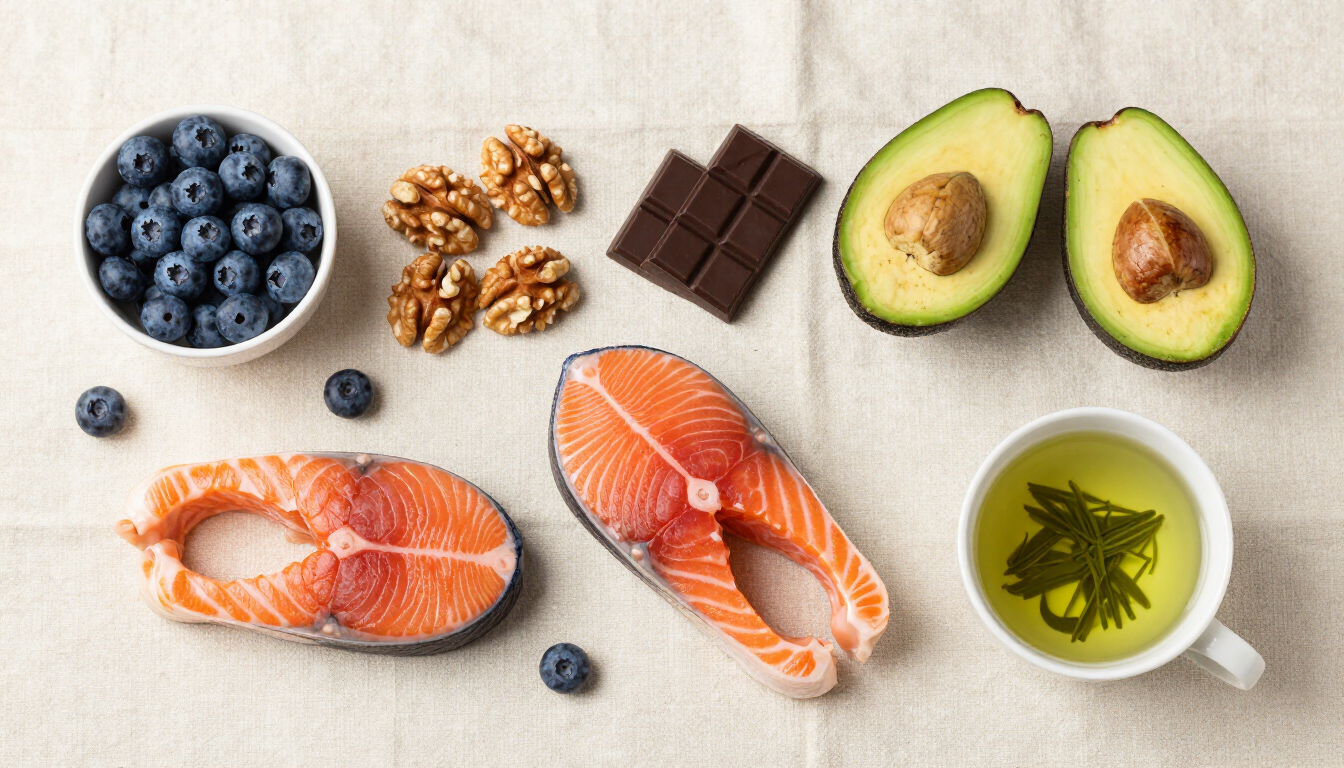
Magnesium supports muscle relaxation and rest; almonds, chia, leafy greens, and pumpkin seeds are easy food sources.
A warm, caffeine-free drink is a calming cue that helps the body prepare for sleep - chamomile and herbal teas work well.
The pieces we'd start with on this topic.
Magnesium is in sleep gummies, stress powders, and cortisol cocktails. Here’s what it actually does and whether it’s worth paying attention to.
Read article
“Why am I always tired” is one of the most searched health questions right now. Here are the most common, evidence-backed reasons, and what tends to actually help.
Read article
Not every sleep tip holds up. Here are the habits with real evidence behind them, and why they work.
Read article
Sleep is when your body repairs and resets. These food-aware habits help you fall asleep faster and wake more rested.
Read article20 recipes built around the foods that support sleep.
One practical email each week. No fluff, no fear-mongering - just food-first guidance you can use.
A few things from the Wellness Shelf we'd genuinely reach for on this topic.

Join 40,000+ people following the Happy Healthy Glows community on Facebook for everyday food-first wellness tips, recipe ideas, and real conversations about feeling better at any age.
Seven or eight hours does not guarantee restful sleep. Common culprits include poor sleep quality, blood-sugar swings, low iron or B12, underactive thyroid, chronic stress, and dehydration. Tracking energy patterns and talking with your provider is the right move when fatigue persists despite enough hours in bed.
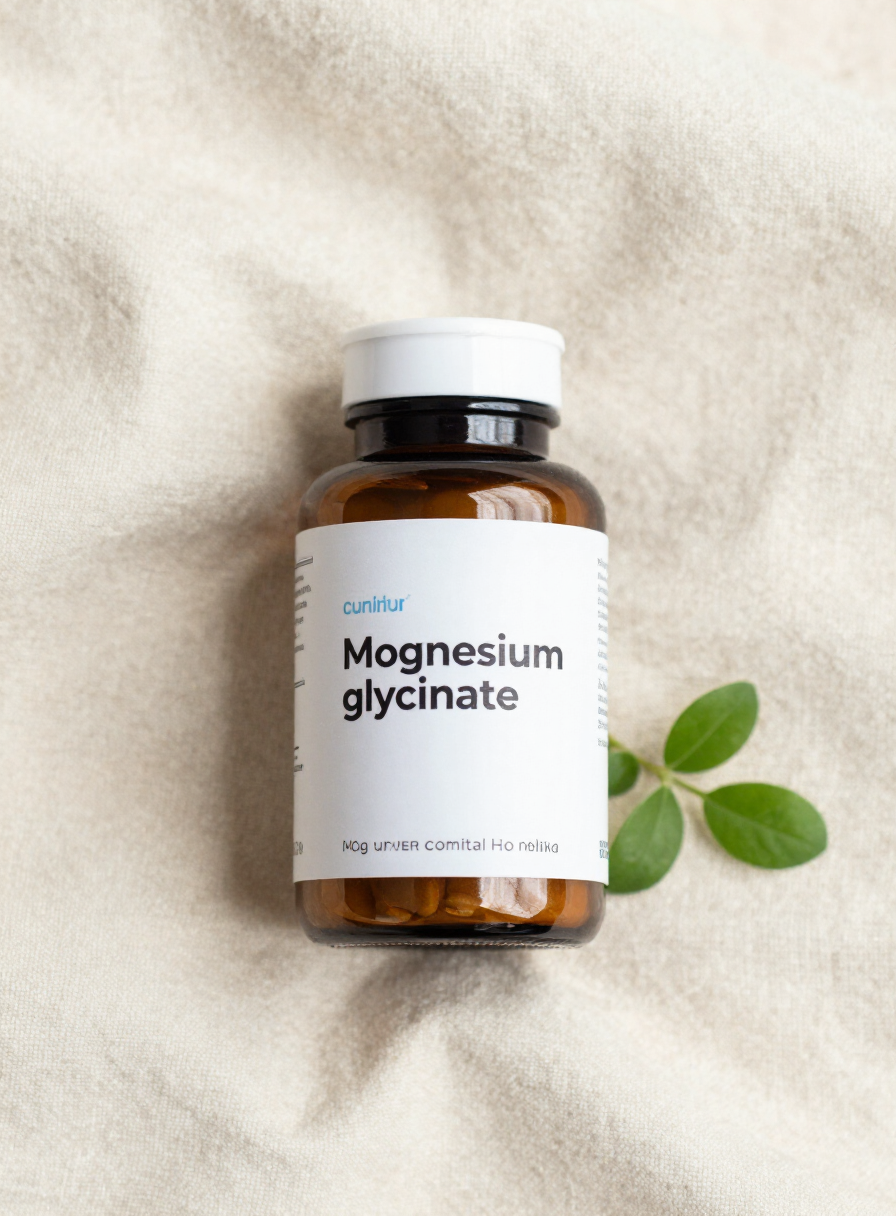
Not necessarily. Many people get enough from leafy greens, nuts, seeds, beans, and whole grains. A supplement can help if your diet is low, you are stressed, or sleep is poor, and magnesium glycinate is well tolerated for evenings. Food first is the safer starting point.
Consistent sleep and wake times, a cool dark room, limiting screens before bed, avoiding late caffeine and heavy meals, and morning light exposure all have real evidence. You do not need an expensive gadget - these basics do most of the work.
Yes, indirectly. Foods that steady blood sugar through the evening, magnesium-rich options, and natural melatonin sources like tart cherries can help. Equally important is avoiding heavy late meals, alcohol, and caffeine close to bedtime, which fragment sleep more than most people realize.