How Much Protein Do You Actually Need? (And Why Everyone’s Suddenly Obsessed)
Protein chips, protein ice cream, protein water - it’s everywhere. Here’s the real reason protein is trending, and how much you actually need.
Read articleFuel muscle, mobility, and lasting strength - including Fitness After 50 - so you stay capable and independent for the long haul.
On this page: how much protein you really need, the myths to ignore, and recipes plus movement that build real strength.

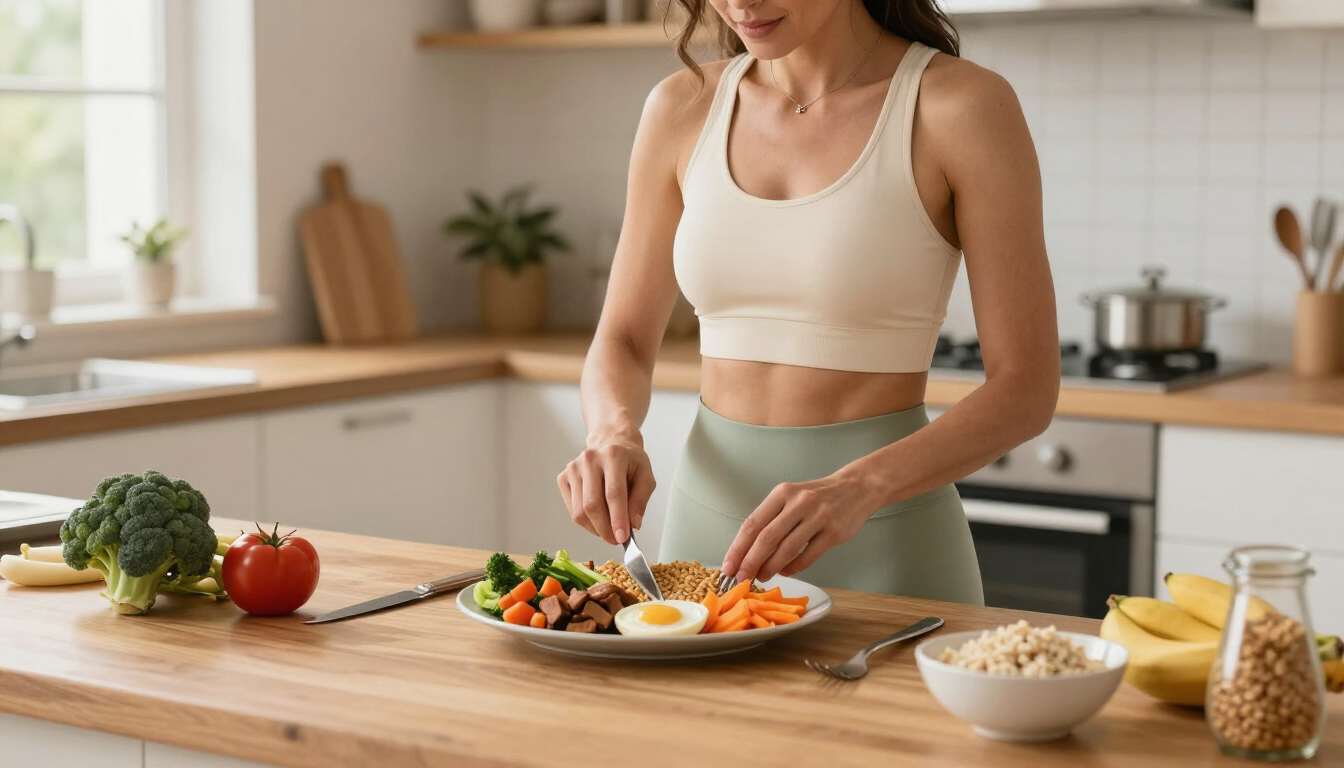
Protein does far more than build muscle - it supports your immune system, repairs tissues, keeps you full, and helps preserve strength as you age.
Spreading protein across the day, not loading one meal, supports muscle maintenance more effectively.
Strength and mobility are trainable at every age - building them is one of the best investments in staying independent.
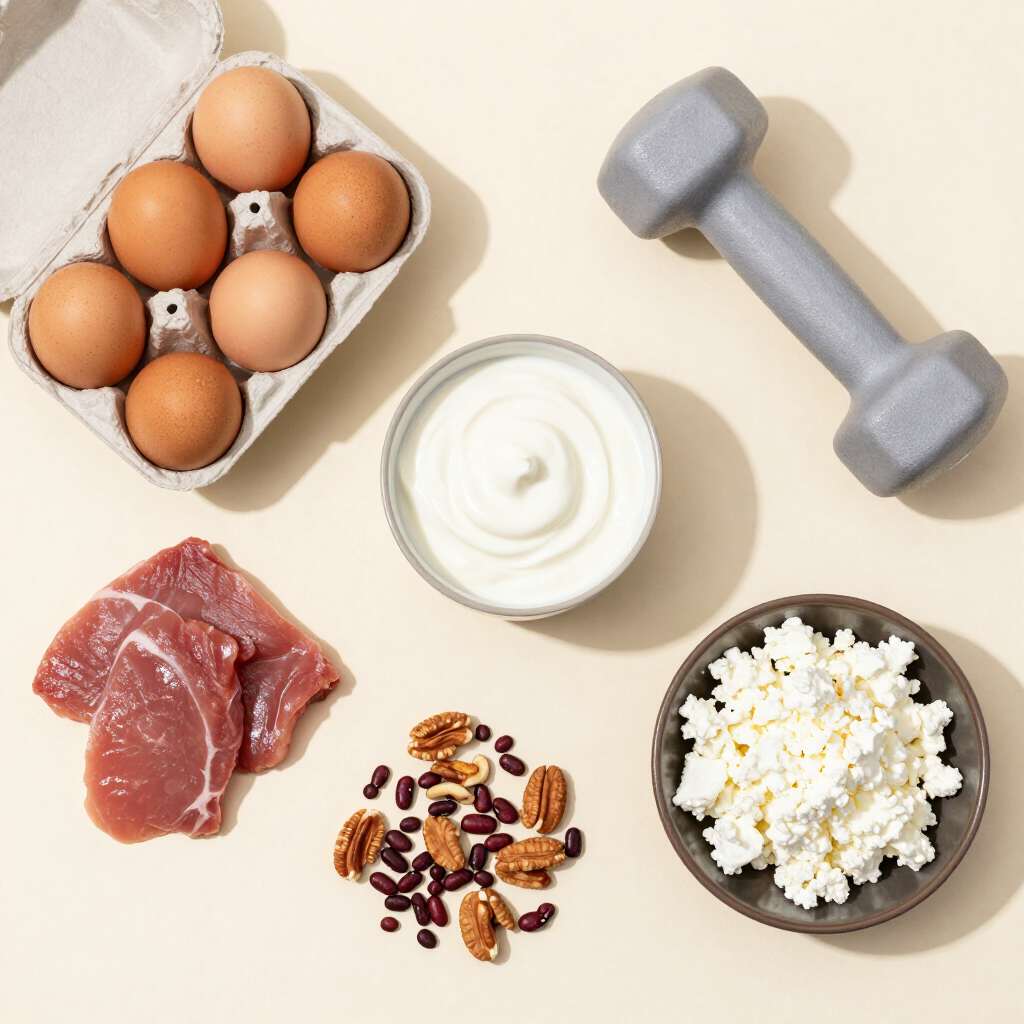
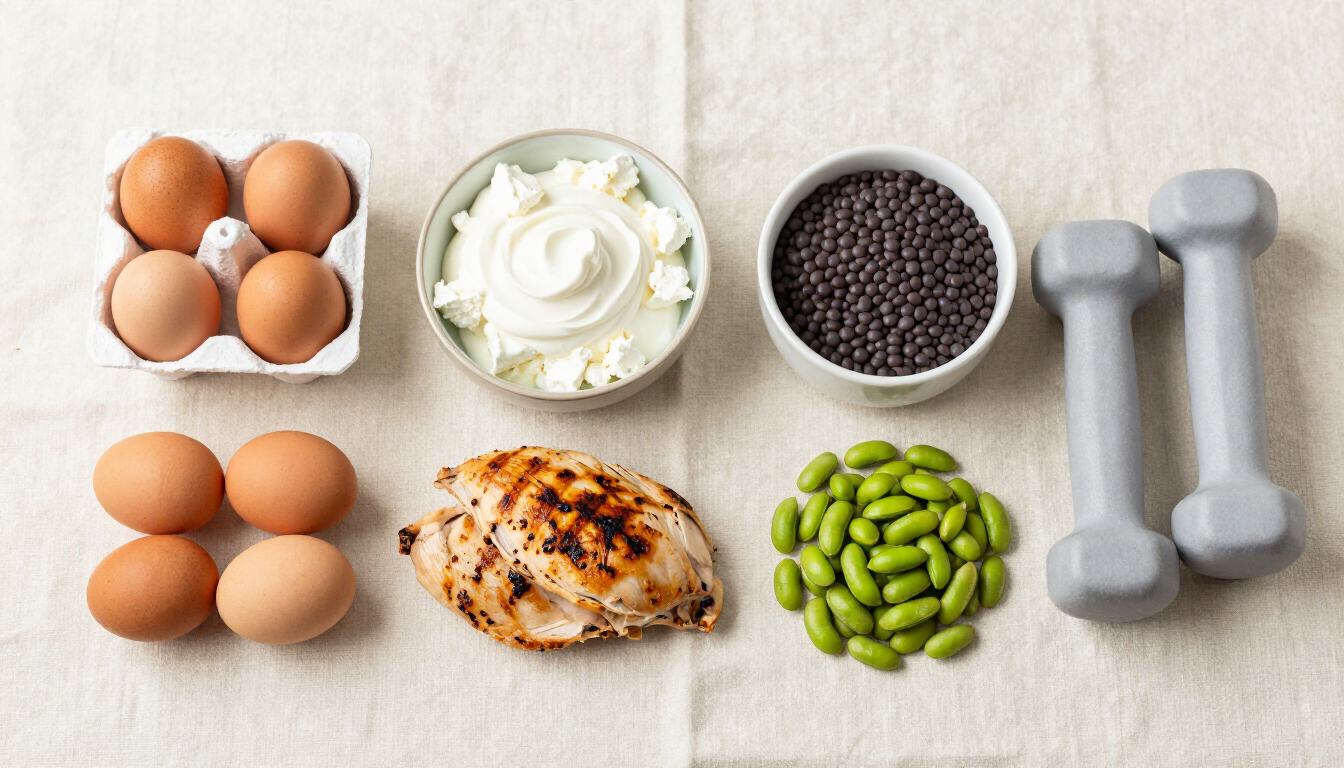
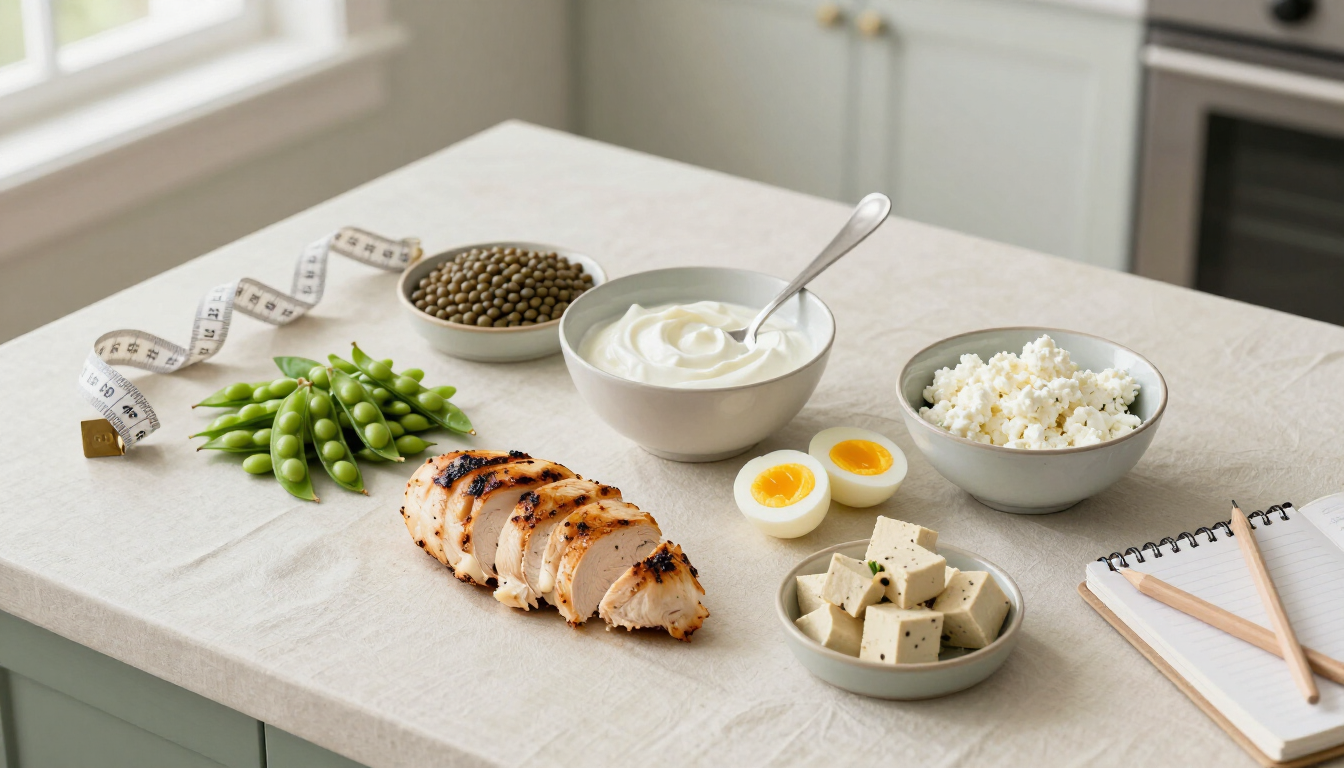
Greek yogurt, eggs, fish, poultry, beans, lentils, and tofu are reliable protein anchors for everyday meals.
The pieces we'd start with on this topic.

Protein chips, protein ice cream, protein water - it’s everywhere. Here’s the real reason protein is trending, and how much you actually need.
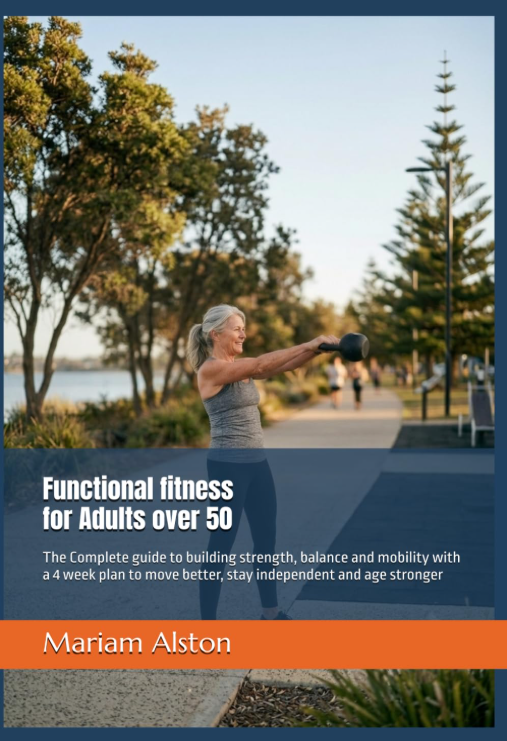
Read articleDrawn from Mariam Alston’s book, this guide shows how strength and mobility work keep you thriving in your 50s, 60s, and beyond.
Read article
Protein is the raw material for muscle, recovery, and staying strong for the long haul. Here’s how to get enough.
Read article20 recipes built around the foods that support protein & strength.
Muscle-supporting protein
Complete protein for recovery
Easy protein between meals
Plant protein for muscle
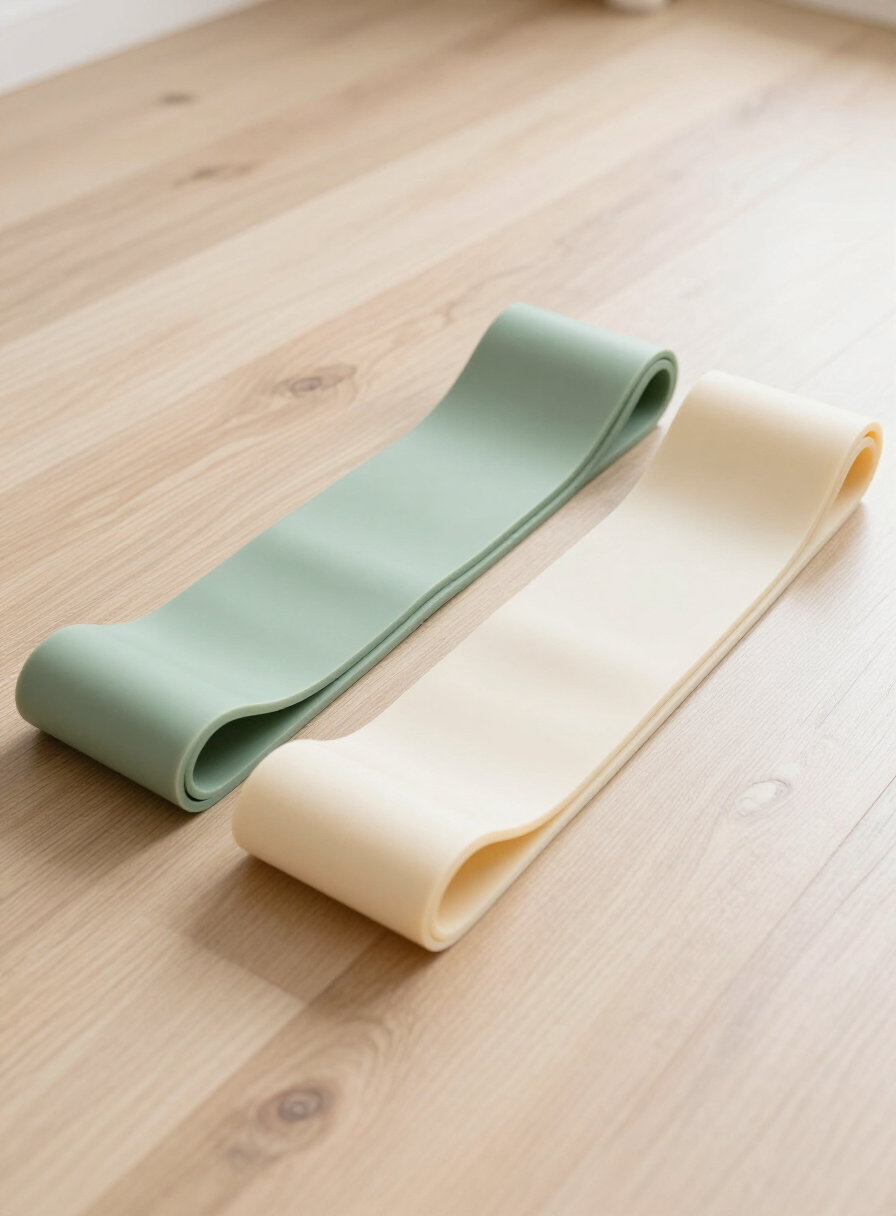
Strength is built, not wished for. These full-body and muscle-group routines help you build strength and tone at any age - including gentle, scalable options for Fitness After 50.
One practical email each week. No fluff, no fear-mongering - just food-first guidance you can use.
A few things from the Wellness Shelf we'd genuinely reach for on this topic.

The Complete guide to building strength, balance and mobility, with a 4 week plan to move better, stay independent and age stronger
Functional Fitness for Adults over 50 is a practical, no-intimidation, research-informed guide to training your body for the life you actually want to keep living: rebuilding strength, mobility, and balance from the ground up, so you can stay independent, play with your grandchildren, carry your groceries and live fully, without the fear of falling.

Join 40,000+ people following the Happy Healthy Glows community on Facebook for everyday food-first wellness tips, recipe ideas, and real conversations about feeling better at any age.
For most active adults, roughly 0.7 to 1 gram of protein per pound of body weight per day supports muscle maintenance and recovery, spread across meals. Older adults benefit from the higher end to counter age-related muscle loss. Food first - protein chips and waters are mostly marketing.
Absolutely. Research is clear that strength and mobility are trainable at every age, and building them protects bone density, balance, and independence. Start with manageable resistance, focus on form, and progress gradually. It is one of the highest-value things you can do for long-term health.
Not exactly. Your body uses protein from a meal efficiently well beyond 30 grams; the timing matters less than your total daily intake. What matters most is getting enough total protein, spread reasonably across the day, from whole-food sources.
No, but it can help. Whole foods like eggs, fish, Greek yogurt, beans, and tofu cover most needs. A powder is convenient after training or on busy days when hitting your target from food alone is hard. Think of it as a supplement to a solid food foundation, not a replacement.

We’re less interested in adding years to your life than in helping you stay active, capable, and independent through every one of them. Here you’ll find grounded, food-first guidance on cellular repair, joint health, and everyday anti-aging habits that actually hold up over time.
Explore
Food-first ways to support a steady, energized metabolism.
Explore
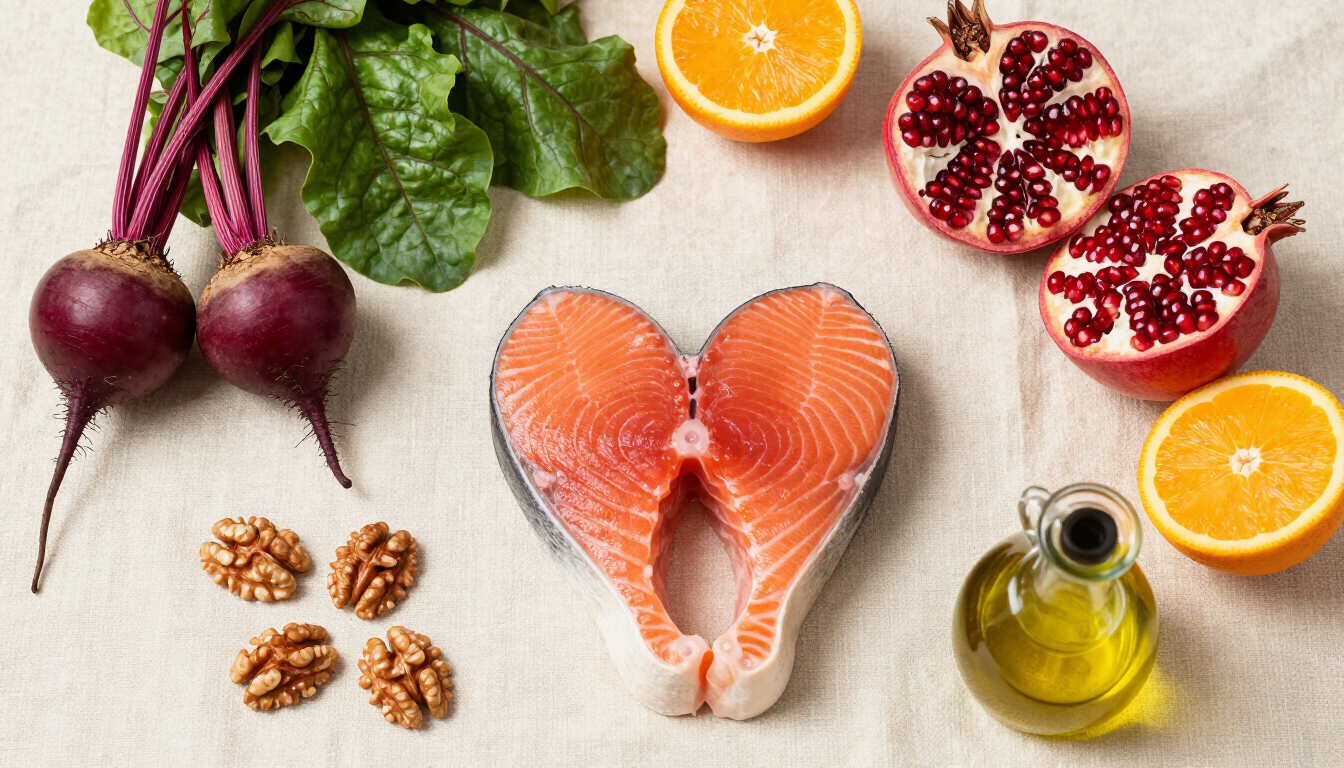
Everyday habits and foods that keep your heart and blood vessels strong.
Explore