Protein has taken over grocery store shelves, TikTok recipes, and every other ad you scroll past. Protein chips, protein ice cream, protein water. It’s a lot. But underneath the marketing noise, there’s a real reason protein is getting so much attention, and a real answer to how much you actually need.
Why protein is having such a big moment
A few things are happening at once. More people are strength training, and strength training increases your body’s protein needs. There’s also a growing understanding that protein plays a bigger role in staying full, maintaining muscle as you age, and supporting metabolism than it was given credit for in the past.
On top of that, the rise of GLP-1 weight loss medications has pushed protein into the spotlight even more, since maintaining muscle while losing weight has become a bigger conversation.
So how much do you actually need?
A commonly cited general range is about 0.36 grams per pound of body weight for a mostly sedentary adult, which works out to roughly 55 to 65 grams a day for many people. But that number climbs quite a bit for anyone who strength trains regularly, is trying to build or preserve muscle, or is older, since muscle maintenance becomes more important with age.
Many nutrition experts now suggest active adults aim closer to 0.7 to 1 gram per pound of body weight, especially if muscle building or aging well is a priority. That’s a wide range, which is honestly the point. Your actual number depends on your activity level, your goals, and your age.
What good protein sources actually look like
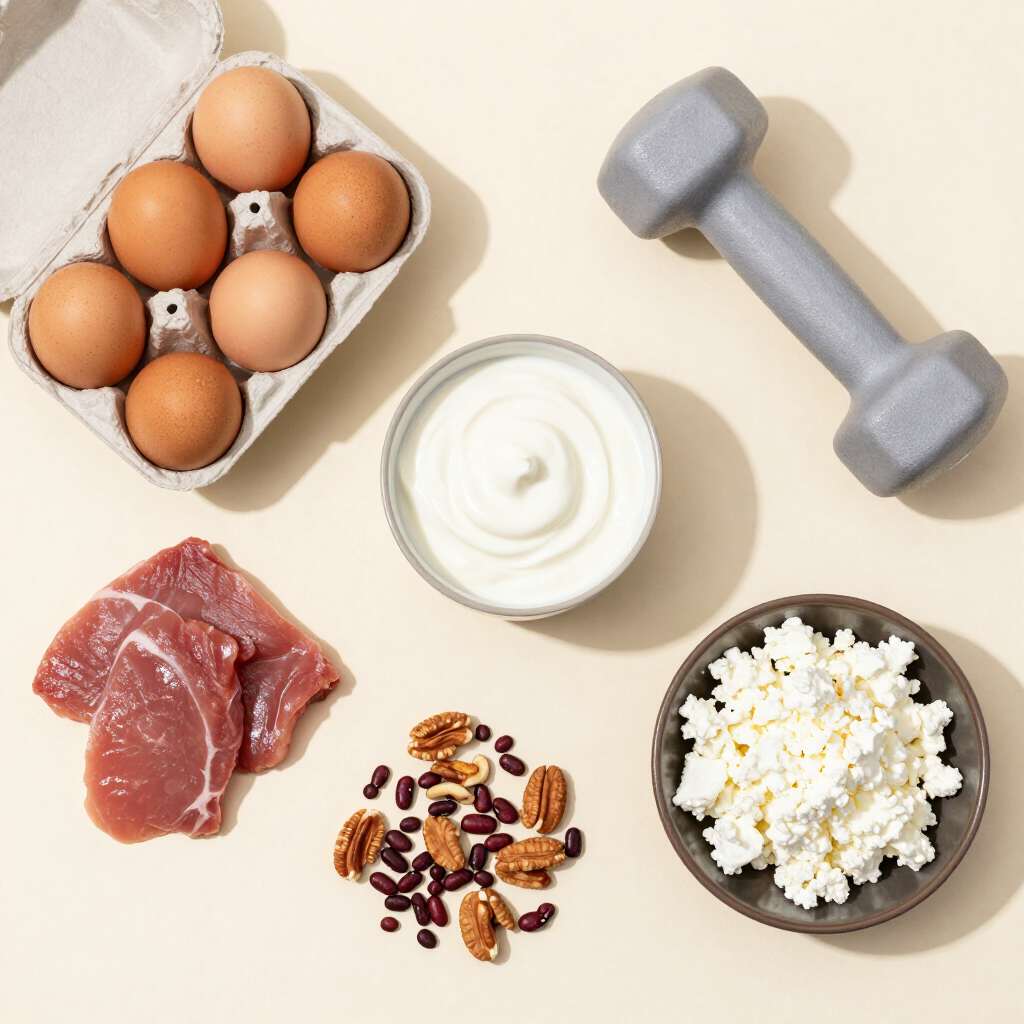
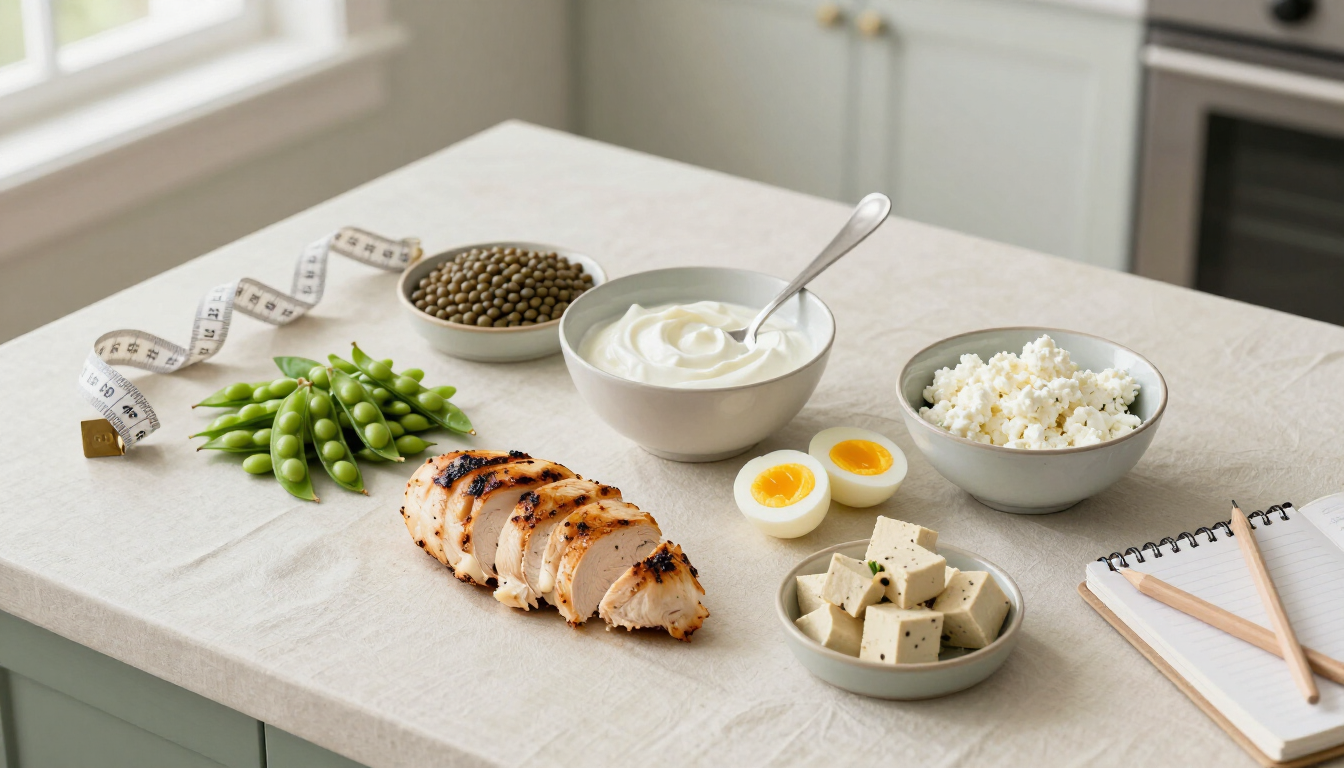
You don’t need powders and bars to hit your number. Eggs, Greek yogurt, chicken, fish, tofu, lentils, cottage cheese, and edamame are all solid, accessible sources. Spreading protein across your meals, instead of loading it all into dinner, also tends to help with fullness and muscle maintenance throughout the day.
Do you need a protein shake?
Not necessarily. Shakes and powders are convenient, not magic. If you’re struggling to hit your protein goal through food alone, especially on busy days, they can genuinely help. But whole food sources come with fiber, vitamins, and minerals that a shake alone won’t give you.
Can you eat too much protein?
For most healthy adults, moderately high protein intake isn’t dangerous, though extremely high amounts over a long period should be discussed with a doctor, especially for anyone with kidney concerns. For the average person just trying to eat a bit more protein than they currently do, this isn’t something to stress over.
The honest bottom line
Protein deserves some of the attention it’s getting, especially for muscle maintenance, fullness, and healthy aging. But you don’t need to overhaul your entire diet or buy a cabinet full of protein products to benefit. A bit more protein at each meal, from real food, covers most of what people are actually looking for.
Frequently Asked Questions
Is more protein always better? Not really. There’s a point of diminishing returns for most people, and extremely high intake isn’t necessary or advisable without a specific reason.
Do I need protein powder to build muscle? No. Whole food sources can absolutely get you there. Powder is a convenience tool, not a requirement.
Does protein help you lose weight? It can support weight management by helping you feel fuller for longer and preserving muscle while in a calorie deficit, though it’s not a magic solution on its own.