Nuts get recommended for almost everything, from better sleep to stronger bones to healthier skin. That kind of broad praise can start to sound like marketing, so let’s actually break down what different nuts do, and where some of the more dramatic claims need a bit of a reality check.
Why nuts are worth having in your routine
Nuts are one of the few snack foods that combine healthy fats, plant protein, fiber, and a wide range of vitamins and minerals in one small package. That combination is a big part of why they show up so often in conversations about heart health, brain health, and steady energy.
They’re also easy. No prep, no cooking, and they travel well, which matters more than people give it credit for when it comes to actually sticking with a healthy habit.
Almonds
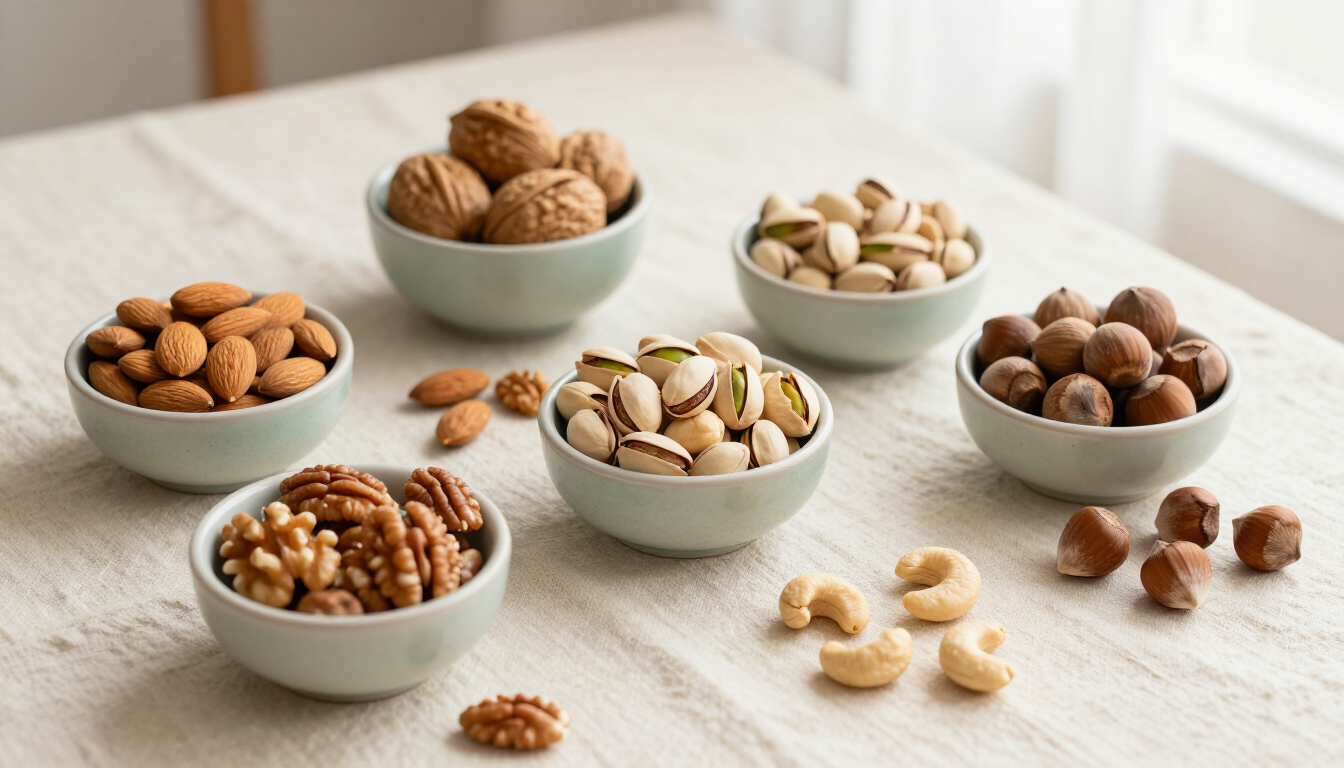
Almonds are high in vitamin E, an antioxidant that supports skin health and helps protect cells from damage. They’re also a solid source of calcium and magnesium, and their combination of fiber and healthy fat helps keep you feeling full longer than a lot of other snacks.
Walnuts
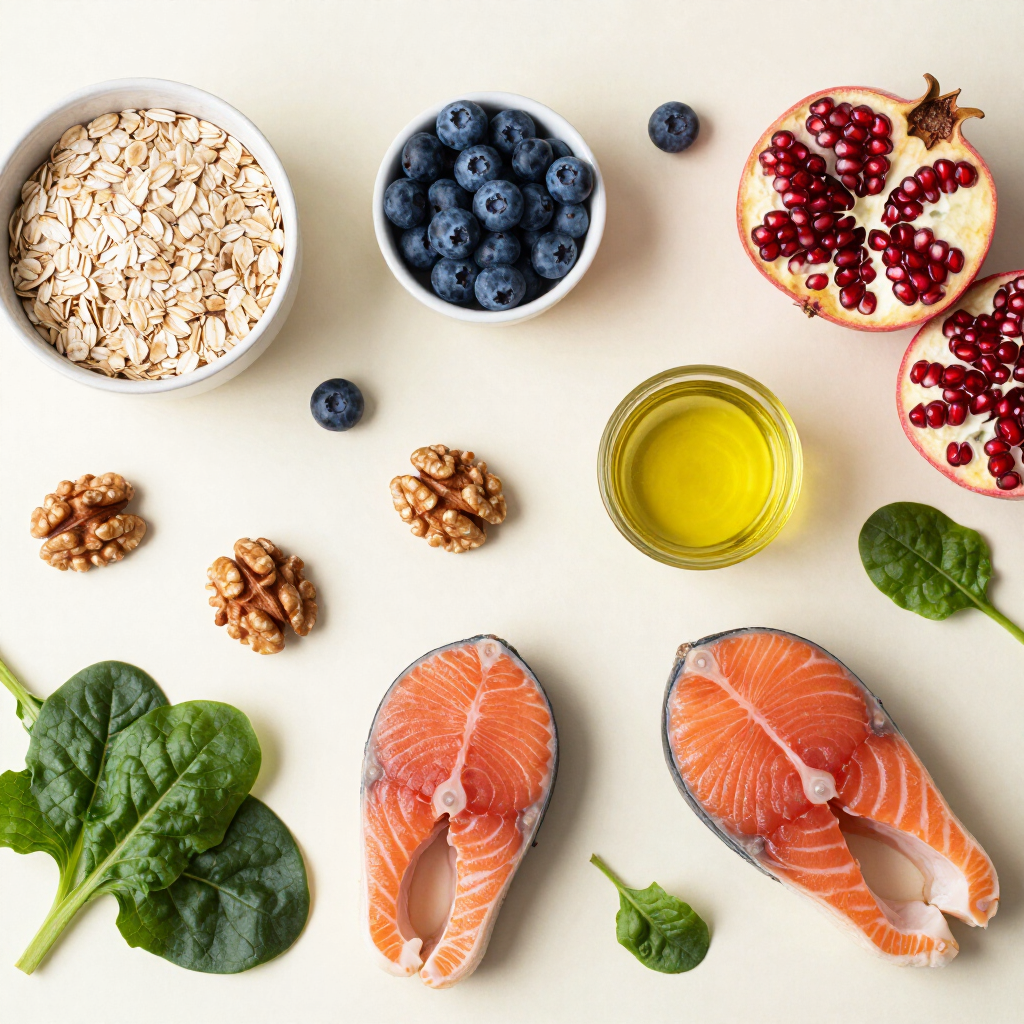
Walnuts stand out for their omega-3 content, specifically a plant-based omega-3 called ALA. Omega-3s are commonly linked to brain and heart health, which is likely why walnuts get mentioned so often in conversations about focus and cognitive support.
Pistachios
Pistachios are one of the lower calorie nuts per serving and come with a good amount of protein and fiber for their size. Some claims about pistachios and specific health outcomes get a bit exaggerated online, so it’s worth treating them as a solid, balanced snack rather than a cure for anything specific.
Cashews
Cashews are a good source of magnesium and copper, both of which play a role in energy production and bone health. They’re also naturally a bit sweeter and creamier than other nuts, which makes them an easy substitute in recipes that call for cream or butter.
Pecans
Pecans are particularly rich in antioxidants, along with healthy monounsaturated fats similar to what you’d find in olive oil. They’re a good option for supporting heart health as part of a balanced diet.
Hazelnuts
Hazelnuts bring a strong dose of vitamin E and folate, along with healthy fats. They’re often overlooked compared to almonds and walnuts, but nutritionally they hold their own.
How many nuts should you actually eat?
A common general guideline is about a small handful, roughly one ounce, a few times a week to daily. Nuts are calorie dense, so more isn’t automatically better, especially if you’re eating them on top of an already full plate rather than in place of something else.
A quick reality check on some claims
You’ll see nuts credited online with everything from boosting fertility to reversing aging to curing anxiety. Most of these claims stretch real, modest research findings into much bigger promises than the evidence actually supports. Nuts are a genuinely healthy, nutrient-dense food. They’re not a miracle cure, and treating them like one usually means disappointment down the line.
The honest bottom line
Nuts earn their reputation as a smart, simple addition to your diet. Different types offer slightly different benefits, but the biggest win is just having some kind of nut as a regular, easy snack instead of something more processed.
Frequently Asked Questions
Which nut is the healthiest overall? There isn’t one clear winner. Almonds, walnuts, and pistachios are often highlighted for slightly different reasons, so variety is a reasonable approach.
Can eating nuts cause weight gain? Nuts are calorie dense, so portion size matters, but studies generally don’t show that moderate nut consumption leads to weight gain when eaten as part of a balanced diet.
Are roasted and salted nuts still healthy? They can be, in moderation. Just watch the added sodium and oil, and raw or dry roasted, unsalted versions are generally the better everyday choice.