
Poor circulation shows up in small, easy to dismiss ways. Cold hands and feet, legs that feel heavy by the end of the day, or just a general sense of sluggishness. Food isn’t a replacement for medical care if something’s genuinely wrong, but it does play a real, supportive role in keeping your circulatory system working the way it should.
Here’s an honest look at the foods that actually have something behind them, not just a nice graphic.
Cayenne pepper
Cayenne contains capsaicin, the compound responsible for its heat, which has been linked to temporarily improved blood flow and a mild warming sensation in the body. It’s not a long-term fix on its own, but it’s a reasonable addition to meals if you enjoy spice.
Onions and garlic
Both are rich in antioxidants called flavonoids, along with compounds that may help support healthy blood vessels and normal blood pressure. They’ve been staples in heart-healthy eating patterns for a long time, and that reputation holds up reasonably well.
Pomegranate
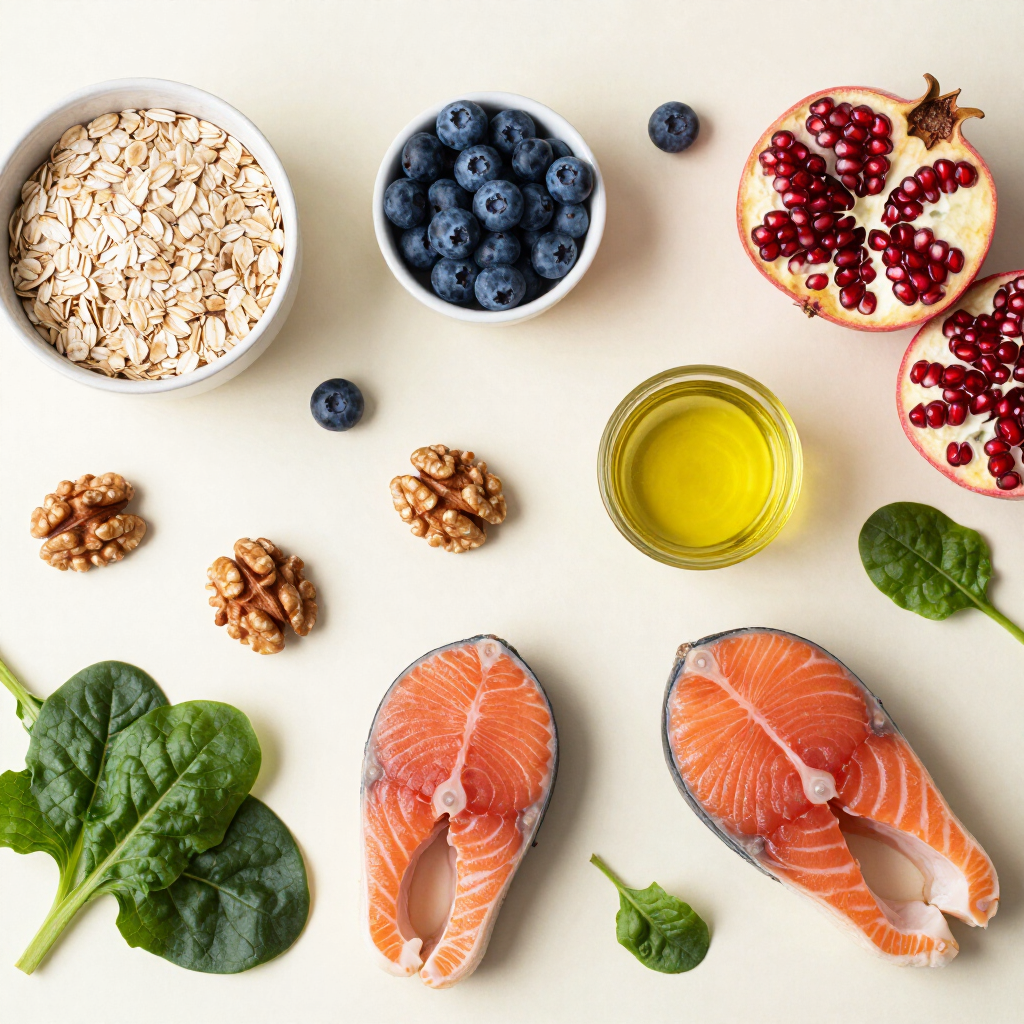
Pomegranate is high in natural nitrates and antioxidants, both of which are associated with supporting healthy blood flow. It’s also just a genuinely good source of vitamin C and fiber.
Cinnamon
Cinnamon has been studied for its potential role in supporting healthy blood sugar levels, which matters for circulation since consistently high blood sugar can affect blood vessels over time. A sprinkle in coffee, oatmeal, or yogurt is an easy way to work it in.
Salmon and other fatty fish
Fatty fish like salmon are rich in omega-3 fatty acids, which are well known for supporting heart and blood vessel health. This is one of the more consistently well-supported foods on this list.
Ginger
Ginger has natural anti-inflammatory properties and has traditionally been associated with supporting circulation, though the strength of the evidence here is more modest compared to something like omega-3s.
Turmeric
Turmeric contains curcumin, an anti-inflammatory compound that’s been studied for its potential role in supporting healthy blood vessels and normal blood flow. Pairing it with black pepper is commonly suggested to help your body absorb it better.
Leafy greens
Spinach and other leafy greens are naturally high in dietary nitrates, similar to pomegranate, which the body can convert into compounds that support blood vessel function.
Citrus fruits
Oranges, grapefruit, and other citrus fruits are high in vitamin C, which plays a role in maintaining healthy blood vessels and supporting collagen, a structural protein found in vessel walls.
Beets
Beets are another strong source of natural nitrates and have become a popular choice among athletes for their potential to support blood flow during exercise.
What actually moves the needle most
Food matters, but it’s worth being honest that movement is one of the single biggest factors in healthy circulation. Sitting for long stretches without moving is tough on your circulatory system no matter how well you’re eating. Pairing these foods with regular movement, even short walks throughout the day, is where the real benefit tends to show up.
When it’s more than diet
Persistent cold hands and feet, swelling, numbness, or leg pain that doesn’t improve are worth mentioning to a doctor. These can sometimes point to something that food alone won’t resolve.
The honest bottom line
These foods have real, if modest, support behind them for circulation. None of them are a substitute for movement, not smoking, and managing underlying conditions like high blood pressure, but they’re a reasonable, tasty way to support your heart and blood vessels day to day.
Frequently Asked Questions
Can food alone fix poor circulation? Not on its own. Food is a supportive piece, but movement, not smoking, and managing conditions like high blood pressure matter just as much, if not more.
What’s the fastest way to improve circulation? Movement tends to have the quickest noticeable effect, even something as simple as a short walk or standing up to stretch every hour.
Are cold hands and feet always a circulation problem? Not always. It can also be related to temperature sensitivity or other factors, but if it’s persistent or paired with other symptoms, it’s worth checking with a doctor.