
Gut & Digestive Health

Support digestion and a thriving gut microbiome with everyday, food-first habits - because your gut shapes mood, immunity, and skin too.

On this page: what really causes bloating, the foods that help, and recipes built around fiber, fermentation, and easy digestion.

Gut & Digestive Health

Quick wins

1

Your gut houses trillions of bacteria that influence nutrient absorption, mood, and immune function - not just digestion.

2

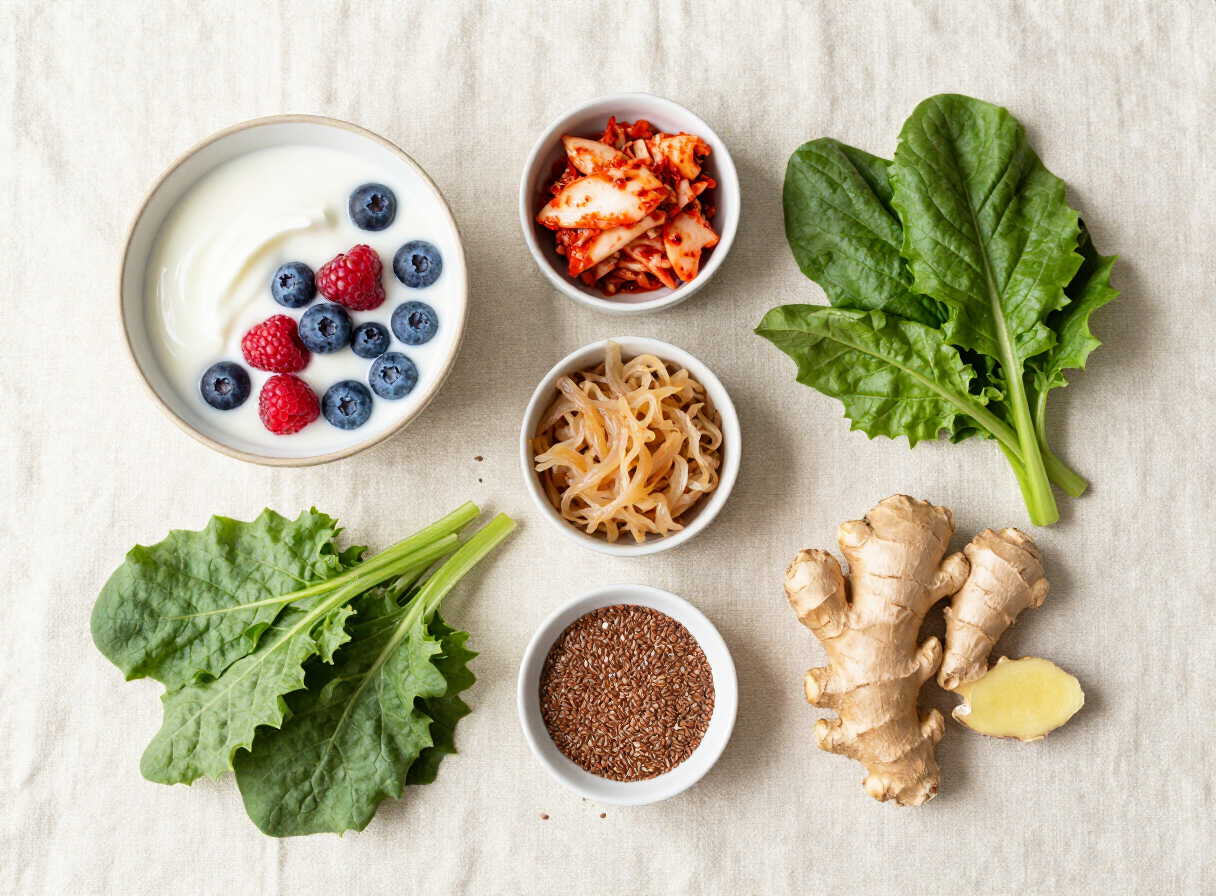
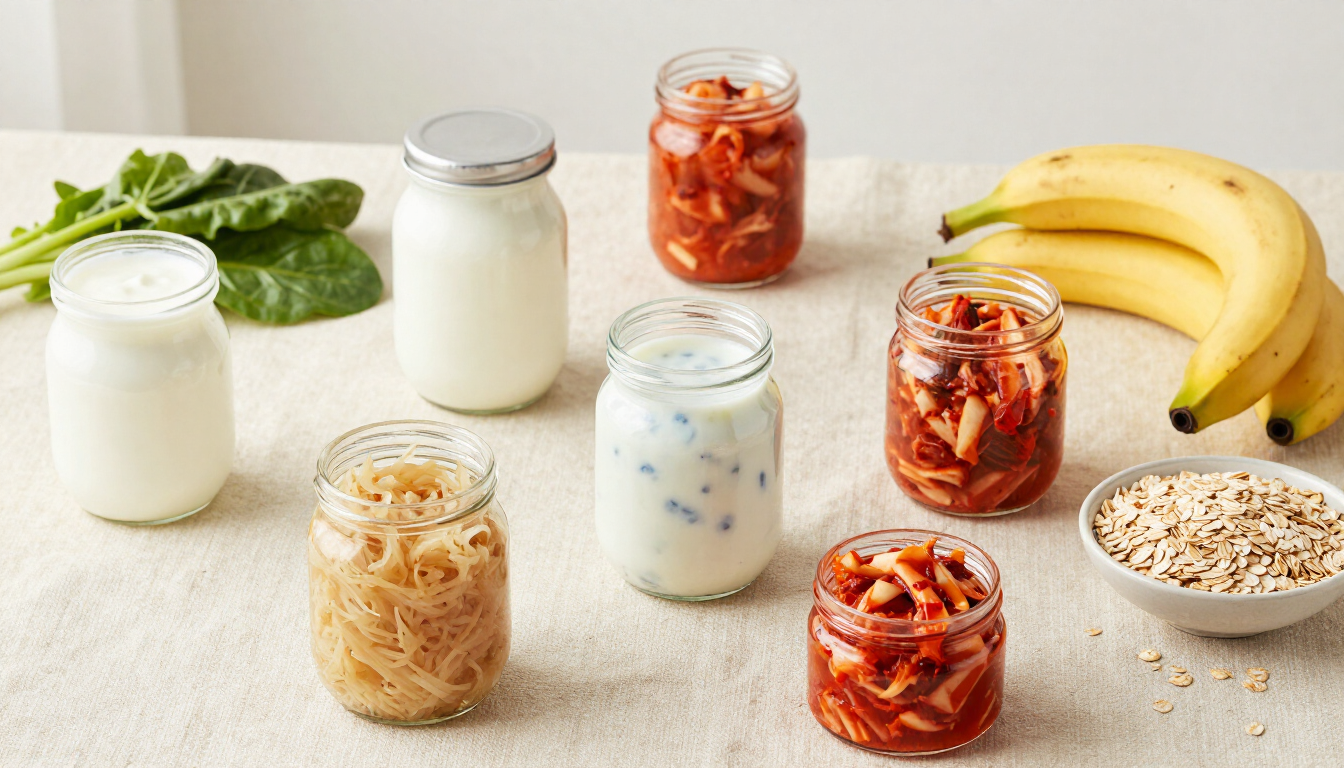
Yogurt, kefir, sauerkraut, and kimchi introduce beneficial bacteria directly; start with small amounts and build up.

3

Different fibers feed different strains of gut bacteria, so variety matters more than any single superfood.

4

Eating too quickly means swallowing more air and less time to feel full - one of the biggest, most overlooked bloating culprits.

Featured articles

Read this first

The pieces we'd start with on this topic.

Recipes

Put it on your plate

10 recipes built around the foods that support gut & digestive health.

See all 10 recipes
Free Guide

Get weekly wellness tips + exclusive recipes from Mariam

One practical email each week. No fluff, no fear-mongering - just food-first guidance you can use.

No spam, ever. Unsubscribe anytime. We respect your privacy.

Shop this category

Ready to go deeper on Gut & Digestive Health?

A few things from the Wellness Shelf we'd genuinely reach for on this topic.

The 7-Day Quick-Start Reset

The 7-Day Quick-Start Reset

Free

A gentle week of meals and habits that calm inflammation and steady your energy.

You're in good company

Join 40,000+ people following the Happy Healthy Glows community on Facebook for everyday food-first wellness tips, recipe ideas, and real conversations about feeling better at any age.

Follow along
FAQ

Common questions

What actually causes bloating?

Common causes include eating too quickly, swallowing air, carbonated drinks, large meals, and certain foods like beans and cruciferous vegetables. Gut bacteria imbalance from antibiotics, poor sleep, or a stretch of processed food also plays a role. Eating slowly, chewing thoroughly, and a short walk after meals genuinely help.

Which foods support a healthy gut?

Fermented foods like yogurt, kefir, sauerkraut, and kimchi add beneficial bacteria. A variety of fibers from vegetables, fruit, legumes, and whole grains feeds different strains. Hydration and regular meal timing matter too. Variety beats any single superfood for building a resilient microbiome.

Do detox teas help with bloating?

Mostly no. Many are laxatives that offer temporary relief without addressing the cause, and long-term use can disrupt normal digestion. Steadier help comes from eating slowly, increasing fiber gradually, staying hydrated, and including fermented foods. Peppermint tea and ginger are better-supported natural options.

How is gut health connected to mood and skin?

A large share of your immune system lives in your gut, and the gut-brain axis means gut health influences mood and stress. Skin is similar - constipation and poor digestion often show up on your face. Nourishing your gut with fiber and fermented foods supports all three.

Keep exploring

If this interests you, you might also want…