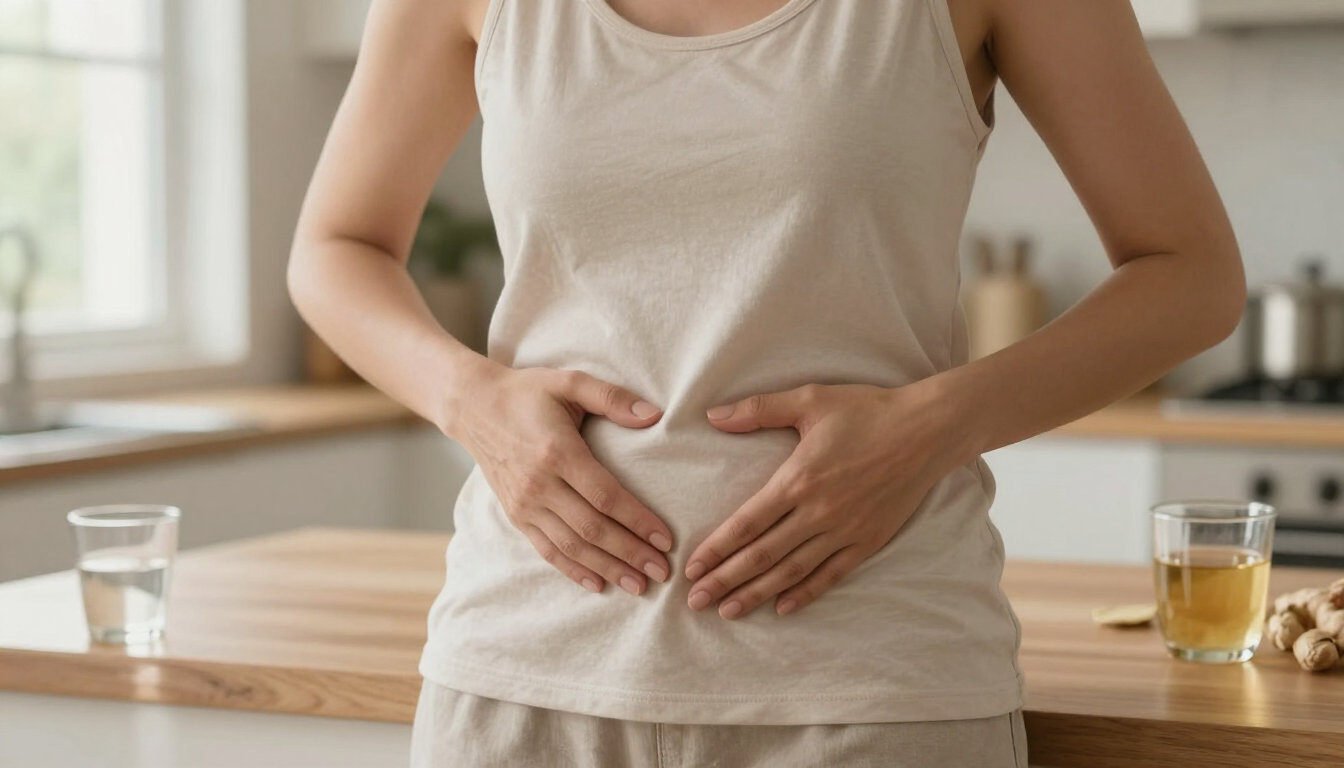
Bloating is one of those things almost everyone deals with but hardly anyone talks about honestly. It’s uncomfortable, it can make you feel self-conscious, and it often shows up for reasons that have nothing to do with how much you actually ate.
Here’s a real look at what usually causes it and what tends to help.
You’re eating too fast
This sounds too simple to matter, but it’s one of the biggest culprits. Eating quickly means swallowing more air, and it also means your body has less time to signal that it’s full, so you end up eating more than you needed to. Slowing down, even a little, makes a noticeable difference for a lot of people.
Your gut bacteria are out of balance
Your gut is home to trillions of bacteria, and when that balance gets disrupted, whether from a course of antibiotics, a stretch of poor sleep, or just a long period of eating the same processed foods, digestion can slow down and bloating becomes more common.
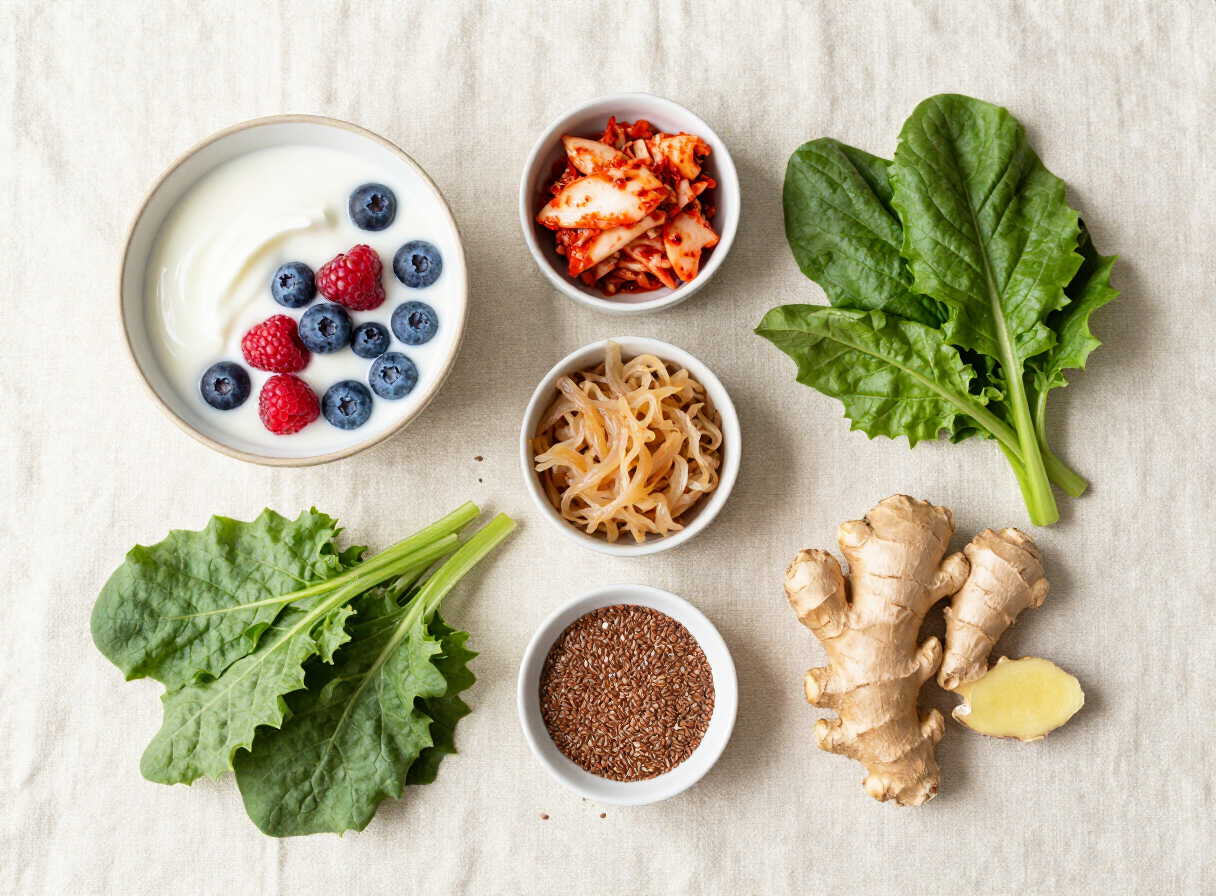
Fermented foods like yogurt, kefir, and sauerkraut can help support a healthier gut environment over time. It’s not an overnight fix, but it adds up.
You’re stressed, and your gut knows it
Your gut and your nervous system are in constant communication. When you’re stressed, digestion often takes a back seat, which is part of why bloating tends to show up more during busy or emotionally heavy weeks.
You might be sensitive to something specific
Dairy, gluten, and high-FODMAP foods like onions, garlic, and certain beans are common triggers for some people, though not everyone. If bloating shows up consistently after certain meals, it’s worth paying attention to the pattern instead of guessing.
You’re not drinking enough water
It sounds backward, but dehydration can actually make bloating worse. Water helps keep digestion moving, and without enough of it, things slow down more than they should.
You’re bloated from hormones, not food
For a lot of women, bloating fluctuates with the menstrual cycle and has very little to do with what was eaten that day. If your bloating follows a monthly pattern, that’s a strong clue it’s hormonal rather than digestive.
What actually helps
Eating slower and chewing more thoroughly.
Drinking water consistently through the day, not all at once.
Adding a fermented food a few times a week.
Going for a short walk after meals, which helps move digestion along.
Noticing patterns instead of eliminating entire food groups without a clear reason.
When it’s worth talking to a doctor
Occasional bloating is normal. Bloating that’s severe, painful, comes with major changes in your bathroom habits, or doesn’t let up no matter what you try is worth getting checked out. It’s always better to rule things out than to guess.
Frequently Asked Questions
Is bloating always about food? No. Stress, hormones, and how fast you eat all play a role, sometimes a bigger one than what’s actually on your plate.
What foods help reduce bloating? Ginger, peppermint tea, and fermented foods are commonly mentioned as helpful, though what works can vary from person to person.
Should I cut out entire food groups if I’m bloated? Not without a clear reason. It’s usually more helpful to track patterns first rather than eliminating things randomly.