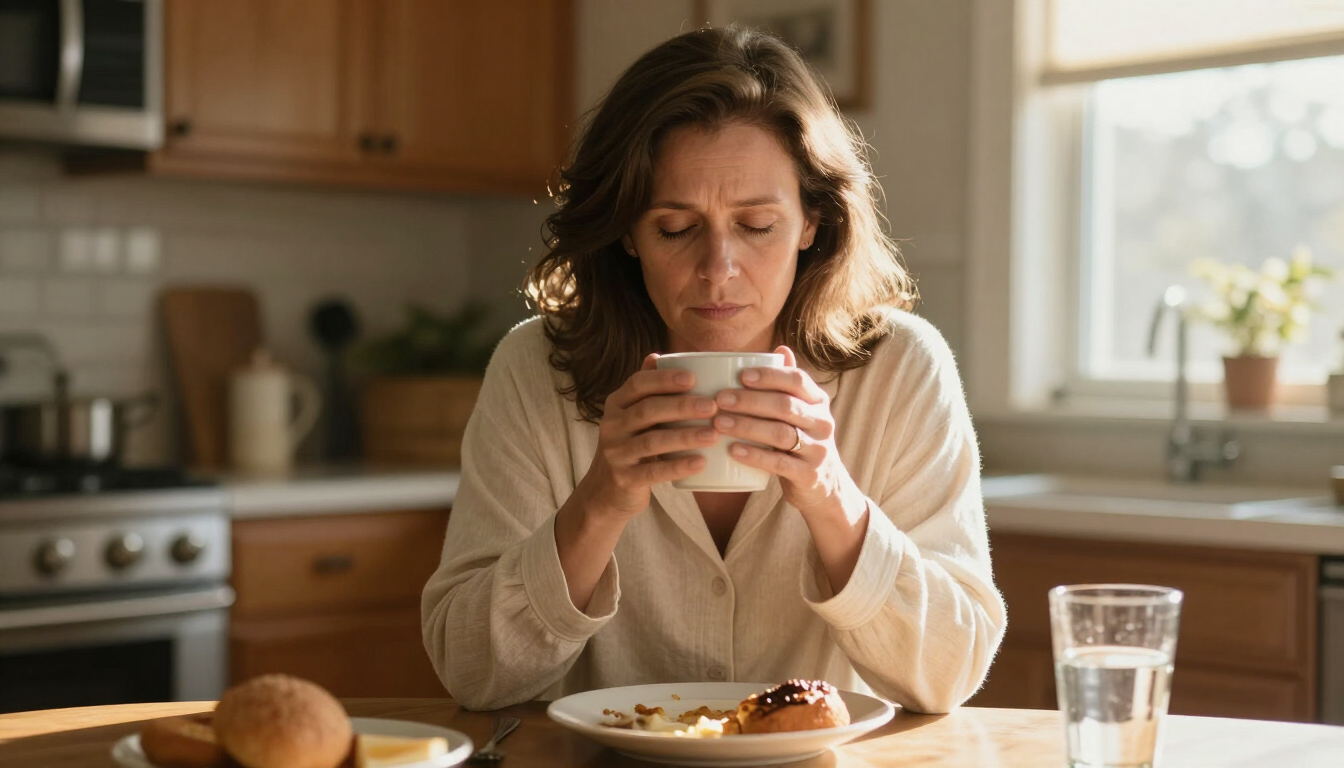

Sleep has quietly become one of the biggest health topics around, and honestly, it’s about time. For years, being tired was treated like a badge of honor. Now people are tracking their sleep stages, buying rings and wearables, and finally taking rest seriously.
But you don’t need a $300 gadget to sleep better. Here are the habits that actually seem to make a real difference.
Keep a consistent wake-up time
Going to bed at the same time every night is nice in theory, but life doesn’t always cooperate. What matters more than people expect is a consistent wake-up time, even on weekends. Your body’s internal clock responds strongly to when you get up and get light exposure, more than exactly when you fall asleep.
Get natural light early in the day
Morning light exposure, even just 10 minutes outside, helps set your circadian rhythm and makes it easier to feel sleepy at the right time that night. This is one of the simplest, most overlooked sleep habits out there.
Watch your caffeine cutoff, not just your intake
Caffeine can stay in your system for six hours or more. That afternoon coffee might not feel like it’s keeping you up, but it can still be affecting how deep your sleep is later that night, even if you fall asleep just fine.
Create a low-stimulation wind-down window
The hour before bed matters more than most people give it credit for. Bright lights, intense scrolling, or stressful conversations right before bed all send your nervous system the opposite signal of what you want. Dimming lights and slowing down, even for just 30 minutes, helps your body transition.
Keep your room cool
Temperature is one of the most consistent factors in sleep quality. A slightly cool room, generally somewhere in the mid-60s Fahrenheit, tends to support deeper sleep for most people.
Don’t fight it if you can’t fall asleep
Lying in bed frustrated, watching the clock, tends to make things worse. If you’re wide awake after 20 minutes or so, getting up to do something calm and low-light, then heading back to bed when you feel sleepy, is a more effective approach than white-knuckling it under the covers.
Be careful with alcohol
Alcohol can make you fall asleep faster, but it disrupts the second half of the night, often leading to lighter, more fragmented sleep. If you notice waking up around 3 or 4am after drinking, this is usually why.
What about all the tracking devices?
Sleep trackers can be genuinely useful for spotting patterns, but they can also create stress if you start obsessing over a score every morning. If checking your sleep data is making you more anxious about sleep, it might be doing more harm than good. Use it as a general guide, not a strict grade.
The honest bottom line
None of this is flashy, and that’s kind of the point. The habits that actually move the needle on sleep are consistent timing, light exposure, a calmer wind-down, and a cooler room. Everything else is optional on top of that foundation.
Frequently Asked Questions
What’s more important, hours of sleep or sleep quality? Both matter, but consistency and quality tend to have a bigger day-to-day impact than chasing an exact number of hours.
Does napping ruin nighttime sleep? Short naps earlier in the day usually don’t cause problems. Long naps or napping late in the afternoon are more likely to interfere with falling asleep that night.
Is it bad to check the time if I wake up at night? It’s generally better to avoid it. Checking the clock can increase anxiety about how much sleep you have left, which makes falling back asleep harder.