Cycle syncing has become one of the biggest wellness trends among women in the last couple of years, and it's built around a real idea: your hormones shift meaningfully across your menstrual cycle, and those shifts can affect energy, appetite, and mood. Where it gets murkier is how far the trend has been stretched into strict, rigid eating rules for each phase.
What actually changes across your cycle
During the follicular phase, right after your period, estrogen rises and many people notice higher energy and better tolerance for more intense exercise.
Around ovulation, estrogen peaks. Some people notice a natural boost in mood and energy around this window.
In the luteal phase, after ovulation, progesterone rises and this is when cravings, appetite increases, and PMS symptoms like bloating or irritability tend to show up for a lot of people.
During your period itself, energy often dips, and iron losses from bleeding make iron-rich food more relevant during this window specifically.
What eating with your cycle can reasonably look like
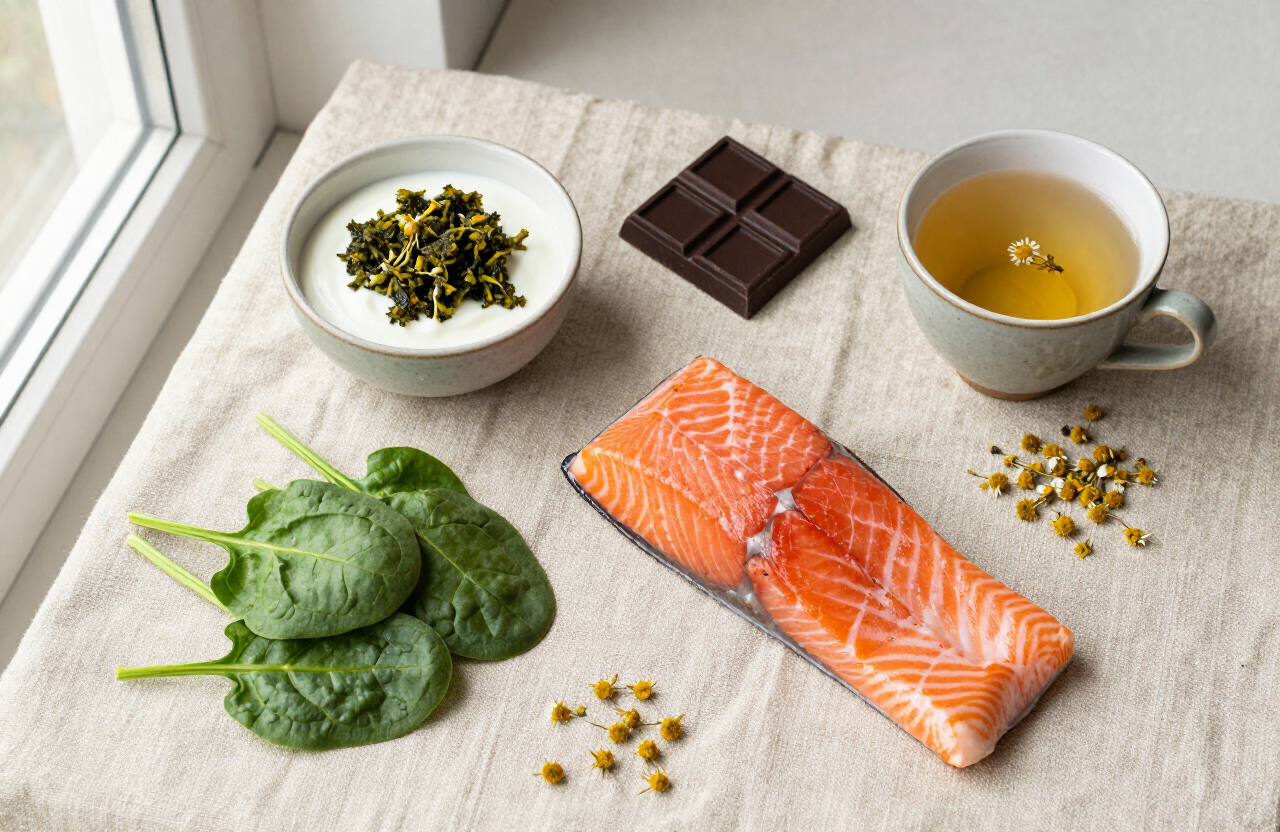
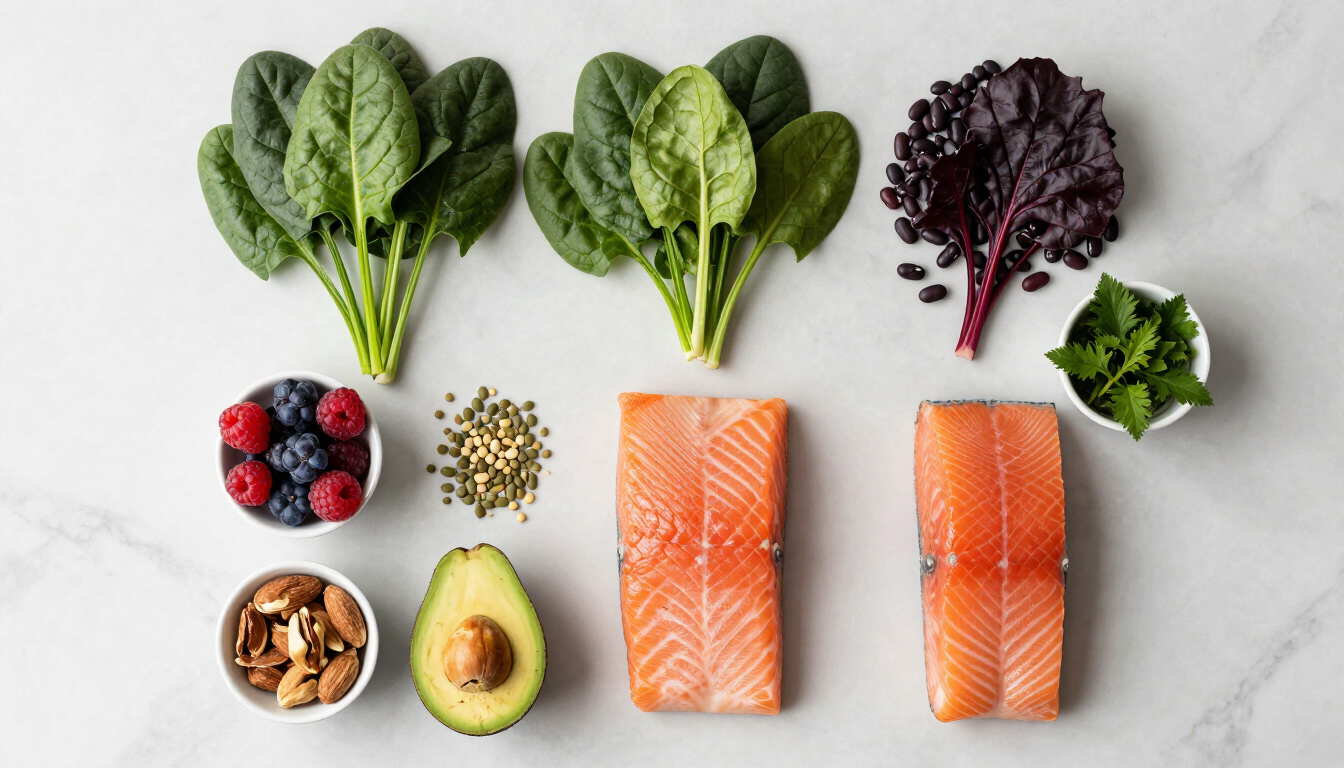
This doesn't need to mean a strict four-phase meal plan. A more realistic version looks like: leaning into higher energy for tougher workouts during the follicular phase, being less hard on yourself about increased hunger during the luteal phase since that's a real hormonal shift and not a lack of willpower, and prioritizing iron-rich foods like leafy greens, beans, and lean meat during your period.
Where the hype outpaces the evidence
Here's the honest part: large-scale, rigorous research specifically testing strict cycle-syncing diets is still limited. A lot of the phase-by-phase meal plans sold online are built more on marketing than strong clinical evidence. Individual variation is also huge. Two people can have very different experiences of the same phase.
That doesn't mean the underlying idea is nonsense. Your hormones genuinely do shift, and it's reasonable that appetite and energy shift with them. It just means a rigid, prescriptive protocol promising specific results each week is overselling what the current evidence actually supports.
A simpler way to approach it
Rather than following a strict phase-based plan, it can help more to simply track how you feel across a cycle or two - energy, hunger, mood - and let that inform small, flexible adjustments. That's a more honest, sustainable version of the same core idea, without needing to overhaul your entire diet every single week.
Want more? Get weekly wellness tips + exclusive recipes from Mariam, straight to your inbox. Sign up below.
When it's worth a doctor's input
If your cycle is very irregular, your symptoms are severe, or something feels off compared to your normal pattern, that's worth bringing to a doctor rather than working around it with food alone.