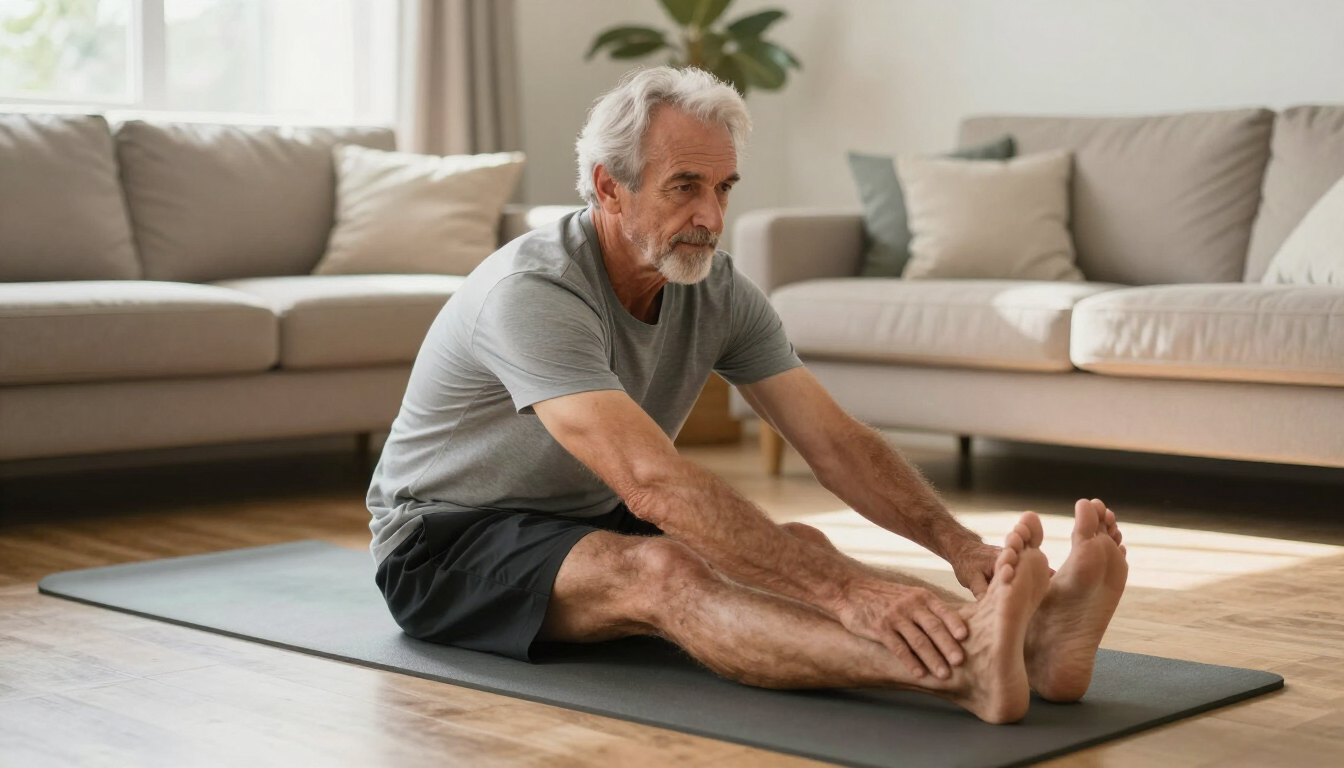

When most people picture "anti-aging," they picture skincare or supplements. But the habits with the most real evidence behind healthy aging have almost nothing to do with either. They’re about staying strong, staying mobile, and staying engaged.
Muscle is your retirement account
Muscle mass naturally declines with age unless you actively work against it, and that muscle is what lets you stay independent, climbing stairs, carrying bags, catching yourself if you stumble. Resistance training, even light versions, is one of the most protective things you can do for long-term independence.
Balance work matters more than people think
Falls are one of the biggest threats to independence as we age, and balance, like strength, is trainable. Simple daily practices, like standing on one foot while brushing your teeth, add up over time.
Movement variety over a single routine
A mix of strength, balance, and low-impact cardio covers more ground than any single type of exercise alone. This is part of why our Exercises library organizes routines by age group and by goal, so you can build a well-rounded routine rather than doing the same thing indefinitely.
Social connection is an overlooked longevity factor
Strong social ties are consistently linked to better long-term health outcomes. Staying engaged with community, whether that’s family, friends, or a group like ours, is a quieter but genuinely important piece of healthy aging.
The honest bottom line
The most effective anti-aging protocol available to most people isn’t a product, it’s consistent strength and balance work, good sleep, steady nutrition, and staying connected to people. Simple, but not easy, and worth doing anyway.
Frequently Asked Questions
What’s the single best thing to do for healthy aging? If you had to pick one, resistance training has some of the strongest evidence for preserving independence as you age.
Is it too late to start in your 60s or 70s? No. Studies consistently show meaningful strength and balance improvements even when people start later in life.
How often should older adults do balance work? Even a few minutes most days makes a difference, it doesn’t need to be a separate, lengthy session.