
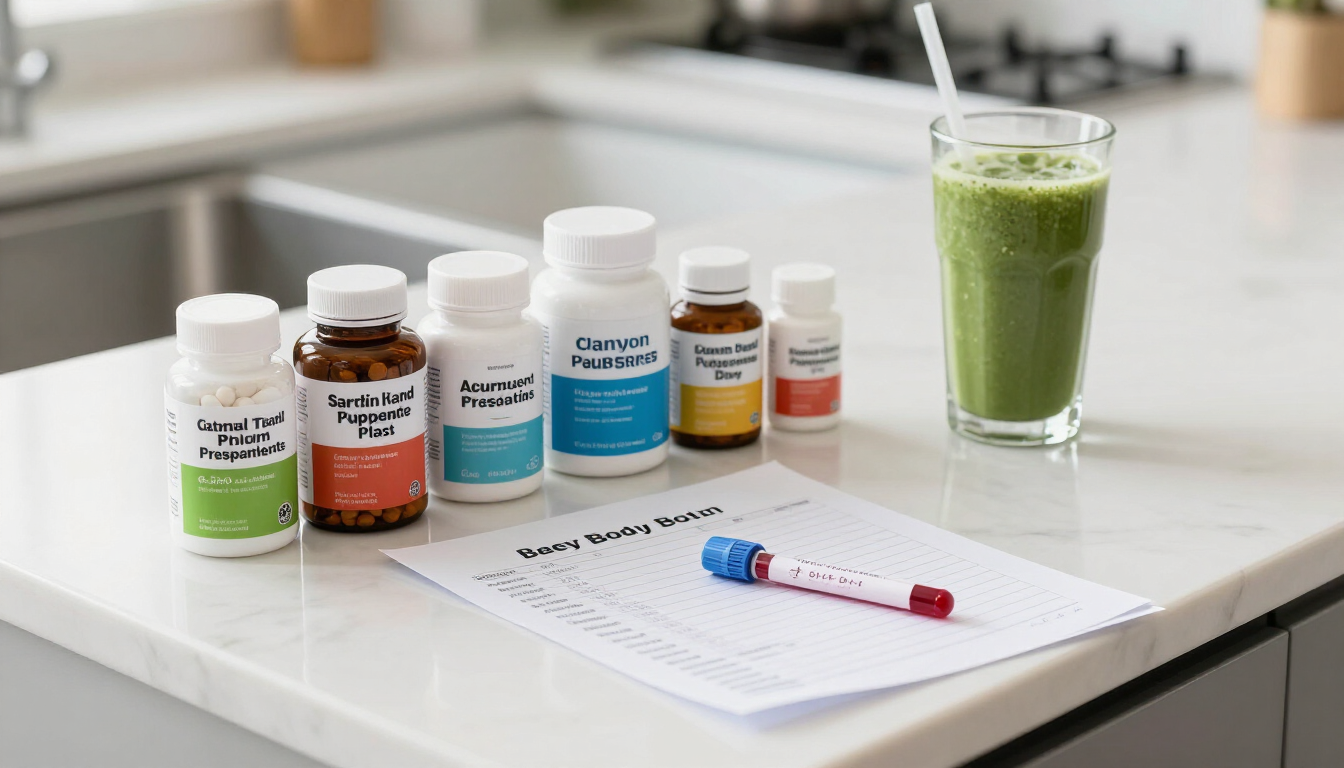
Walk into any supplement aisle and you’ll find dozens of products promising more energy, better focus, or a stronger immune system. Most people end up buying based on marketing rather than any real sense of what their own body actually needs.
Start with data, not trends
A basic blood panel from your doctor, checking things like iron, vitamin D, and B12, tells you far more than any bestseller list. This is the single most useful starting point before spending money on supplements.
Food first, supplements second
Supplements are meant to fill gaps, not replace a solid diet. If a blood test shows you’re low in something, food sources are often a good first step before or alongside a supplement, since whole foods come with additional nutrients supplements don’t provide.
Match the supplement to the actual finding
If your data shows low vitamin D, a vitamin D supplement makes sense. If everything looks normal, adding a stack of unrelated supplements "just in case" is unlikely to help and can occasionally cause interactions, especially with medications.
Re-test before assuming it’s working
A supplement plan isn’t permanent. Re-testing after a few months tells you whether it’s actually making a measurable difference, rather than continuing indefinitely on assumption.
Talk to a professional before combining supplements
Certain supplements interact with medications or with each other. A doctor or pharmacist can help you build a safe, personalized plan rather than layering products based on social media recommendations.
The honest bottom line
A personalized supplement plan starts with real data about your own body, not a trending stack. Fewer, targeted supplements based on an actual need will usually serve you better than a crowded shelf of generic products.
Frequently Asked Questions
How often should I get blood work done to guide supplementation? Roughly once or twice a year is reasonable for most healthy adults, though your doctor may suggest a different schedule based on your history.
Can I use wearable data instead of blood tests for supplement decisions? Wearables are useful for lifestyle patterns like sleep and activity, but nutrient levels still require an actual blood test.
Is it safe to take multiple supplements at once? It depends on the specific supplements and your health history, which is why checking with a doctor or pharmacist before combining them matters.