Fitness trackers, sleep rings, and continuous glucose monitors have made it possible to see patterns in your own body that used to be invisible. But collecting data isn’t the same as using it well, and a lot of people end up with numbers and no real plan.
Start with one metric, not ten
Trying to optimize sleep score, heart rate variability, steps, and glucose all at once is overwhelming and hard to act on. Pick the one metric most connected to how you actually feel day to day, often sleep or energy, and build from there.
Look for patterns, not single data points
One rough night or one glucose spike doesn’t mean much on its own. What matters is the pattern over one to two weeks, how your body consistently responds to a certain meal, a late workout, or a stressful day.
Glucose monitors and food, in plain terms
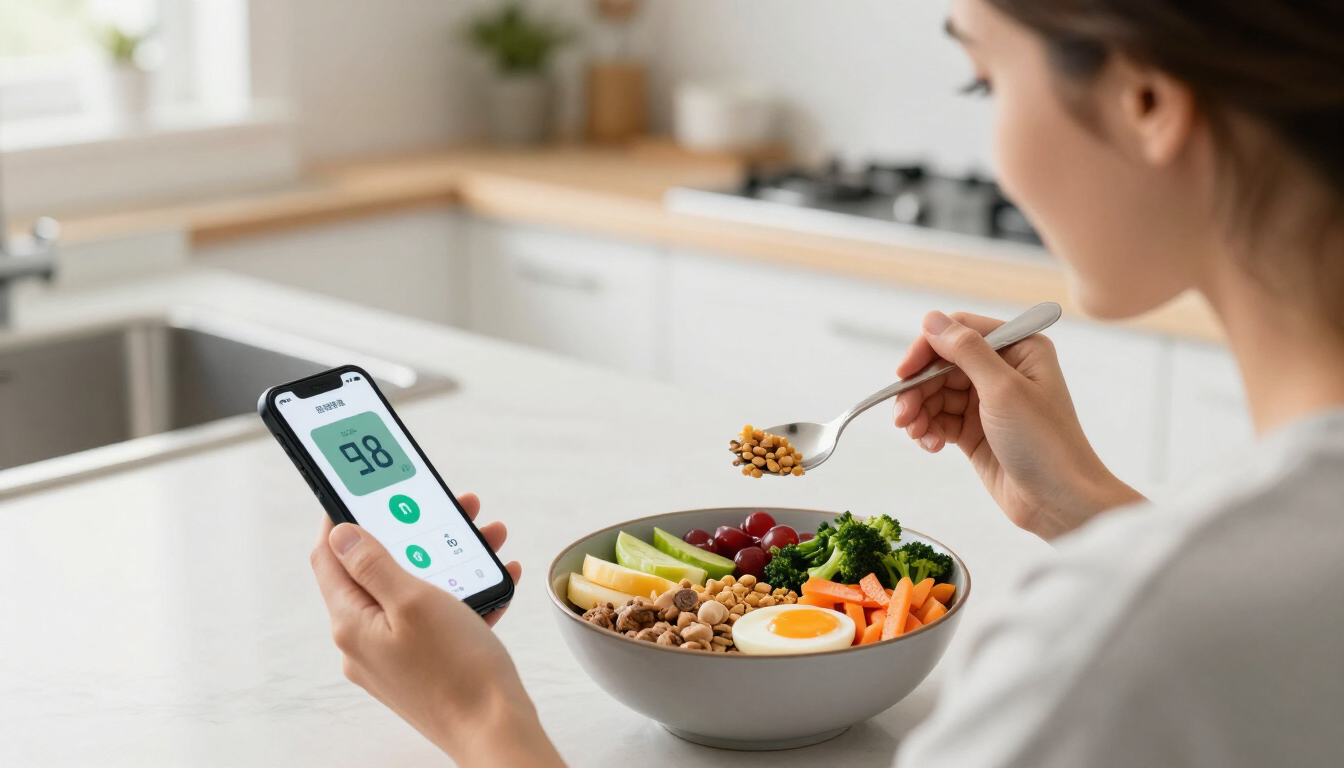
Continuous glucose monitors show how your blood sugar responds to specific foods and meal combinations, which can be genuinely useful for noticing your own personal responses, since these vary more between people than generic diet advice suggests.
Where personalization actually helps
Instead of following a generic "eat this many grams of protein" rule, your own data can show you how you personally respond to protein timing, sleep habits, or stress, and that’s a much more useful starting point for building habits that stick.
A word of caution
Data can also become a source of anxiety if you let a single bad number define your day. Wearables are a tool for noticing patterns, not a verdict on your health, and they work best alongside, not instead of, how you actually feel.
The honest bottom line
Wearable data is most useful when you use it to spot your own patterns and test small changes, rather than chasing a perfect score every single day.
Frequently Asked Questions
Do I need a continuous glucose monitor if I don’t have diabetes? Not necessarily, but some people find short-term use genuinely informative for understanding their personal food responses.
How much should I trust my sleep score? Use it as a general trend indicator rather than an exact measurement, sleep tracking accuracy varies by device.
Is it bad to check my data multiple times a day? For some people this becomes a source of stress rather than insight. Checking once a day is usually plenty.